
Paper GSM Explained: How Paper Weight Affects the Look and Feel of Your Keepsake
What Does GSM Mean?
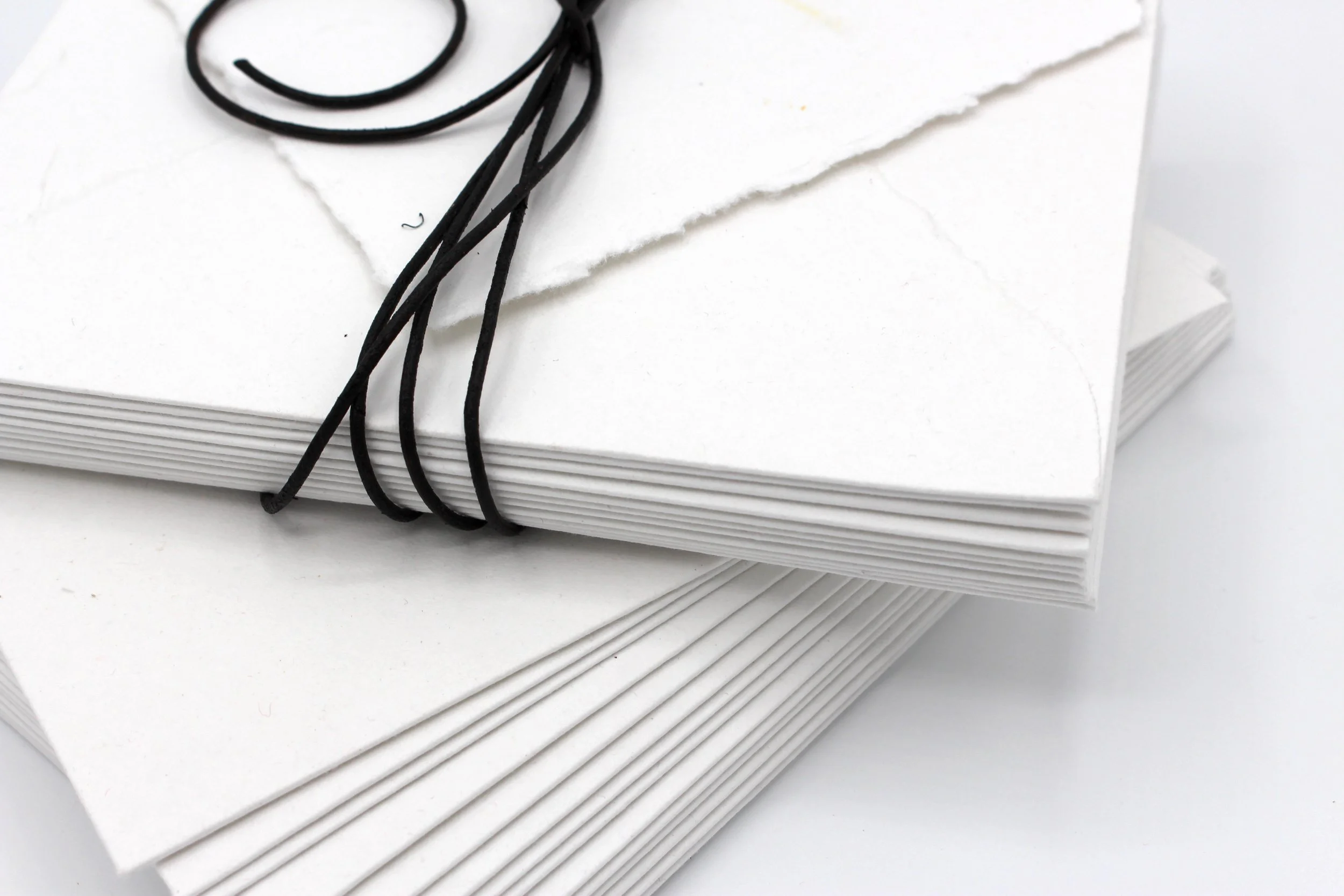
GSM stands for grams per square meter. It’s the universal measurement used to describe how heavy — and therefore how thick and substantial — a piece of paper is.
Here’s a simple way to think about it:
• The higher the GSM, the heavier and thicker the paper.
• The lower the GSM, the lighter and thinner the paper.
• Standard printer paper is typically around 75–90 GSM. Fine art and keepsake papers start at 190 GSM and go much higher.
Why GSM Matters for Keepsakes
When you hold a high-GSM paper, you feel the difference immediately. It doesn’t bend or flutter. It has presence. For a framed keepsake, that weight matters for several reasons:
1. It looks better in a frame
Thin paper can bow, buckle, or warp once it’s inside a frame — especially in fluctuating humidity like we have here in Charleston. Heavier paper lies flat and stays flat, giving your framed keepsake a clean, professional finish.
2. It holds ink beautifully
Higher-weight fine art papers are designed to absorb ink evenly and deeply. This means colors appear richer, blacks appear deeper, and fine detail — like the delicate lines in a music sheet or the loops of script typography — stays crisp and sharp.
3. It lasts longer
Lightweight papers break down faster. They yellow, become brittle, and lose structural integrity over time. A high-quality, high-GSM cotton rag paper — especially one that is acid-free and archival — can last 500 years or more. For a keepsake meant to be passed down, that matters.
A Quick GSM Reference Guide
To give you a sense of the spectrum:
• 75–90 GSM — Standard copy paper. Flimsy, not archival.
• 100–120 GSM — Quality writing paper, notecards. Feels substantial but not heavy.
• 190–220 GSM — Fine art and photo paper territory. Noticeably heavier. Frames beautifully.
• 250–300 GSM — Heavy fine art paper. Almost card-like in weight. The gold standard for heirloom prints.
What We Use at All Things Cotton Paper
We print our keepsakes on either handmade cotton rag deckled edge paper 200GSM or Moab Entrada Rag, a 100% cotton rag paper in the 190–300 GSM range depending on the product. We chose these specifically because it combines exceptional weight and texture with archival-quality construction.
Cotton rag paper is different from wood pulp paper — it’s naturally acid-free, which means it won’t yellow or degrade the way regular paper does. It also has a subtle, soft texture that gives keepsakes a handcrafted, luxurious feel you can’t get from standard photo paper.
When you run your fingers across one of our prints, you’re feeling 500+ years of papermaking tradition — and a paper that was built to last as long as the memories it holds.
Does GSM Affect the Deckled Edge?
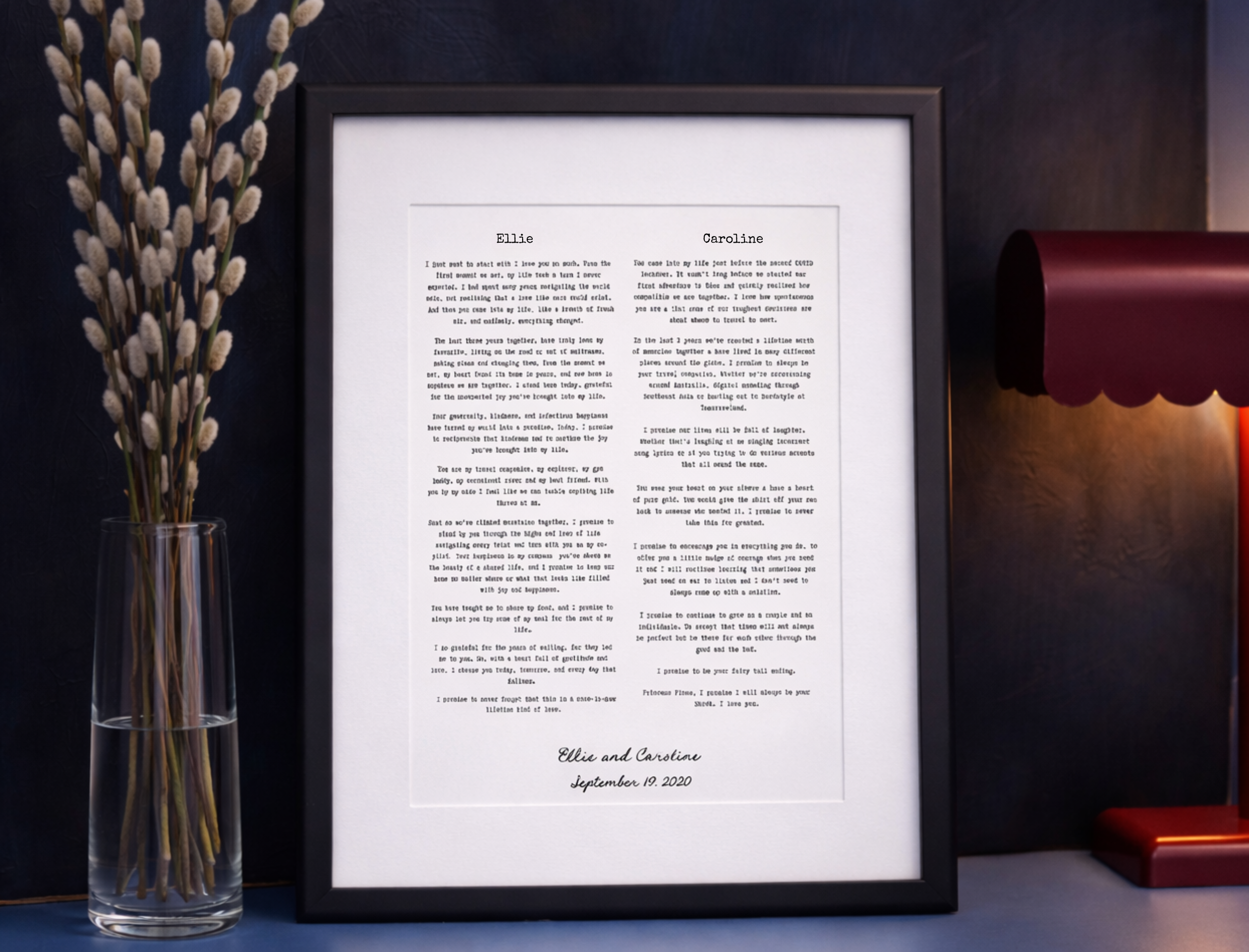
Yes — and this is one of our favorite details. A deckled edge is that soft, feathery, uneven border you’ll see on fine art paper. It’s a hallmark of handmade and artisan paper, and it signals quality immediately.
Deckled edges only look and feel right on heavier paper. On thin paper, the edge can look ragged or unintentional. On a 190–300 GSM cotton rag sheet, the deckled edge looks exactly as it should — intentional, elegant, and artisan.
The Bottom Line
When you’re investing in a keepsake — something meant to commemorate one of the most important days of your life — paper weight is one of the details that separates a print from an heirloom.