

Cotton Paper Wedding Invitations: A Guide to Eco-Friendly, Elegant Stationery
Wedding stationery plays a crucial role in setting the tone for your special day and providing guests with essential information about your celebration. Choosing the perfect invitation suite involves not only selecting a design that reflects your personality and style but also considering the environmental impact of your stationery choices. Handmade cotton paper offers a sustainable, elegant alternative for creating unique wedding invitations that align with your commitment to eco-friendly living. At AllThingsCottonPaper, we are passionate about providing high-quality, authentic decorative papers to elevate your creative projects, including sustainable wedding invitations crafted with handmade cotton paper.
Made from recycled, refined cotton sourced from rags, textiles, and clothing, handmade cotton paper is tree-free, reducing the demand for deforestation and resource consumption associated with traditional paper production. The luxurious texture, natural deckle edges, and durable quality of cotton paper make it the ideal choice for creating eco-friendly wedding invitations that leave a lasting impression. By selecting sustainable materials like cotton paper for your wedding stationery, you embody conscious living and environmental stewardship while celebrating your love and commitment.
In this blog article, we will explore various aspects of creating handmade cotton paper wedding invitations, from design inspiration and printing techniques to eco-friendly embellishments and assembly tips. Our comprehensive guide will inspire you to design a one-of-a-kind, environmentally responsible wedding invitation suite that truly reflects the essence of your special day. Let's delve into the world of cotton paper wedding invitations and embrace the beauty, sustainability, and sophistication of this eco-friendly stationery option.
Design Inspiration for Cotton Paper Wedding Invitations
The first step in creating cotton paper wedding invitations is to establish a design that represents your unique style, wedding theme, or color scheme. Here are some suggestions for incorporating the distinct attributes of handmade cotton paper into your invitation design:
- Textured Backgrounds: Embrace the natural texture of cotton paper by showcasing it as a backdrop for minimalist, modern, or romantic designs. Delicate botanical illustrations, simple typography, or elegant monograms can stand out beautifully against the unique background.
- Deckle Edge Detail: The natural deckle edges of cotton paper add a touch of organic elegance to your wedding invitations. Consider incorporating this detail into your design by using deckle-edged paper for your main invitation and coordinating enclosures.
- Watercolor Accents: Handmade cotton paper is an excellent medium for watercolor artwork, allowing you to create stunning, custom color washes, florals, or landscapes that reflect your wedding theme.
Printing Techniques for Handmade Cotton Paper Invitations
Once you have selected a design for your cotton paper wedding invitations, consider which printing techniques will best complement the style and texture of the paper. The following methods are particularly suitable for cotton paper stationery:
- Letterpress: This classic printing method creates a beautiful, tactile impression on handmade cotton paper, resulting in an elegant, high-end finish. Letterpress works well with bold typography and minimalistic designs.
- Digital Printing: For designs that incorporate intricate details, vibrant colors, or watercolor effects, digital printing offers an affordable and versatile option that can produce stunning results on cotton paper.
- Foil Printing: Adding foil accents to your cotton paper wedding invitations can provide an extra touch of luxury and sophistication. Foil printing works beautifully with monograms, borders, and decorative motifs that enhance the paper's natural texture and charm.
Coordinating Eco-Friendly Enclosures and Inserts
Complete your cotton paper wedding invitation suite by coordinating additional enclosures and inserts that provide essential details about your celebration. Keep sustainability in mind by implementing the following eco-conscious ideas:
- Cotton Paper Inserts: To maintain a cohesive look throughout your stationery suite, use matching cotton paper for your information cards, RSVP cards, and any other inserts. Display essential details using minimal ink and simple typography to contribute to a seamless, eco-friendly design.
- Digital Accompaniments: Opt for electronic alternatives for supplementary information, such as digital save-the-dates or wedding websites. By directing guests to an online platform, you can share essential details without using excessive paper and ink resources.
- Recycled Envelopes and Liners: For a comprehensive eco-conscious approach, choose recycled paper envelopes and envelope liners that complement your handmade cotton paper invitations and enclosures.
Sustainable Finishing Touches and Assembly Tips
Assembling your cotton paper wedding invitations offers a chance to infuse your personal style and eco-friendly values through thoughtful finishing touches and sustainable assembly practices. Consider these ideas when assembling your stationery suite:
- Recycled Twine or Ribbon: Bundle your cotton paper invitations, enclosures, and RSVP envelopes together using recycled twine, silk ribbon, or other sustainable materials that complement your wedding theme.
- Eco-Friendly Wax Seals: Create a memorable, environmental seal with biodegradable wax seals that coordinate with your invitation design. Besides embellishing your stationery, wax seals provide an additional layer of security during mailing.
- Soy-Based Inks and Vegetable-Based Adhesives: When addressing your envelopes or sealing enclosures, opt for soy-based inks and vegetable-based adhesives that minimize the environmental impact of your cotton paper wedding invitations.
Conclusion
Designing and creating handmade cotton paper wedding invitations allows you to share a beautiful, environmentally conscious representation of your love story with friends and family. From selecting sustainable materials and printing techniques to incorporating eco-friendly finishing touches, the choices you make in crafting your wedding stationery reflect your commitment to the environment and the unique bond you share with your partner. Embrace the elegance, sustainability, and sophistication of cotton paper wedding invitations from AllThingsCottonPaper for a memorable stationery suite that truly captures the essence of your special day.
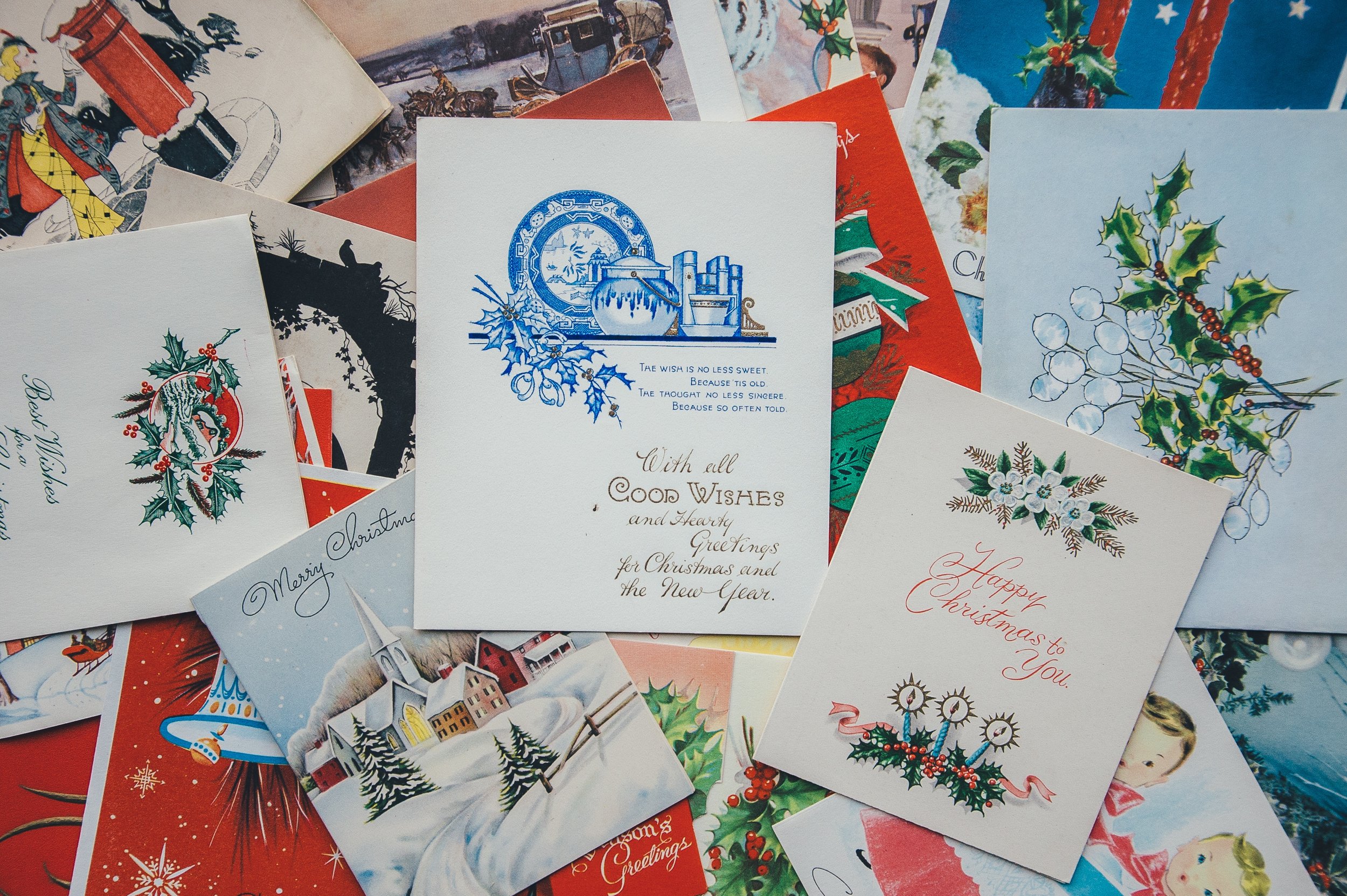
Creative Handmade Cotton Paper Greeting Cards
Greeting cards have long held a special place in our hearts, bringing warmth, joy, and heartfelt sentiment to our loved ones during holidays, birthdays, and special occasions. In an era of e-cards and instant messaging, the tangible joy of receiving a handmade greeting card remains unmatched. Handmade cotton paper offers a beautiful, sustainable foundation for creating personalized, environmentally friendly cards that add a unique touch to any occasion. At All Things Cotton Paper, we are committed to offering high-quality, unique, and authentic decorative papers for all your creative projects, including handmade greeting cards.
Made from refined cotton derived from rags, textiles, and clothing, handmade cotton paper is tree-free and eco-friendly, making it an ideal choice for sustainable card-making. The strength, durability, and texture of cotton paper make it suitable for a wide range of artistic techniques. Whether you are new to card-making or an experienced artist, the versatile nature of handmade cotton paper allows you to explore various methods and styles to design one-of-a-kind creations.
In this blog article, we'll delve into several techniques and tips for crafting handmade cotton paper greeting cards that are both beautiful and eco-conscious. From painting and drawing to collage, printmaking, and mixed media, you'll discover a world of inspiration to create cards that evoke a sense of personal connection and genuine emotion. Let's embark on an artistic journey to create captivating, sustainable greeting cards that stand out from the ordinary and leave a lasting impression on the hearts of those who receive them.
1. Painting and Drawing on Handmade Cotton Paper
One of the simplest and most versatile techniques for creating handmade cotton paper greeting cards is painting and drawing. These mediums allow you to showcase your artistic style and customize your card designs with ease. Keep the following tips in mind when working with paints and drawing tools on cotton paper:
- Choice of Medium: Opt for water-based media like watercolor, gouache, or acrylics to complement the absorbent nature of cotton paper. These paints will sink into the paper fibers, resulting in vibrant, long-lasting color.
- Drawing Tools: Experiment with various drawing tools such as colored pencils, charcoal, pastels, or fine liners to create unique designs, patterns, and illustrations on your cards.
- Prime Your Paper: For a smoother painting surface, consider applying a thin layer of clear gesso or acrylic matte medium to your cotton paper to prevent warping and create a more even color distribution.
2. Collage and Mixed Media Techniques
Create visually dynamic greeting cards by incorporating collage and mixed media techniques, playing with texture, color, and imagery to tell a story or evoke an emotion. Consider the following ideas:
- Paper Collage: Incorporate cut-out shapes, images, or patterns from newspapers, magazines, or other paper sources and layer them onto your cotton paper for a unique, three-dimensional look.
- Fabric and Textural Elements: Utilize scraps of fabric, buttons, ribbon, or lace to add tactile interest to your cards, working with the cotton paper's natural texture to create an integrated design.
- Embossing and Stamping: Add dimension and intrigue to your cards by using embossing powders or rubber stamps with eco-friendly ink to create raised, textured designs.
3. Printmaking on Handmade Cotton Paper
Printmaking offers various techniques for creating unique, limited-edition greeting cards on handmade cotton paper. Experiment with these printmaking methods to develop intriguing artistry:
- Block Printing: Also known as "relief printing," block printing involves carving a design into a block of soft rubber or linoleum, then inking the surface and pressing it onto the cotton paper, leaving a bold impression of the design.
- Monoprinting: Create one-off, painterly prints with the monoprinting technique. Apply ink or paint to a flat surface like a glass plate, manipulate the colors and textures, then gently press your cotton paper onto the inked surface, transferring the design.
- Stencil Printing: Make your own stencils by cutting out shapes and designs from cardboard or flexible plastic, then use a sponge or brush to apply paint through the stencil onto your cotton paper.
4. Writing Personalized Messages and Calligraphy
The heartfelt, handwritten messages you include on your greeting cards are what truly make them stand out as treasured keepsakes. Consider the following tips for crafting compelling messages and calligraphy on your handmade cotton paper cards:
- Pen Choice: To prevent ink bleeding or feathering on the cotton paper, choose fine-tip, non-permanent markers or pigmented ink pens that dry quickly and ensure crisp, clear lines.
- Draft Your Message: Before writing directly on your card, draft your message on scrap paper to avoid mistakes and ensure proper spacing and alignment.
- Learn Calligraphy: Enhance the elegance of your greeting cards by mastering the art of calligraphy. Invest in calligraphy pens and ink, or explore faux calligraphy techniques using your existing fine-tip pens to add sophistication and charm to your hand-written messages.
Conclusion
Creating handmade cotton paper greeting cards not only showcases your artistic abilities but also demonstrates your commitment to environmental sustainability. By exploring various techniques such as painting, drawing, collage, printmaking, and calligraphy on cotton paper, you can design one-of-a-kind cards for any occasion that express your heartfelt sentiments and reflect your eco-conscious values. Let the distinctive beauty and versatility of handmade cotton paper inspire your creative journey, and leave a lasting, meaningful impression on friends and family with your sustainable, personalized greeting cards.
Looking for a sustainable and unique paper option for your next craft project? Look no further than AllThingsCottonPaper! Our handmade cotton paper is made from recycled cotton fibers, giving it a beautiful texture and a truly "tree-free" quality. Order your own supply today and see for yourself why our paper is a top choice for artists and designers alike.
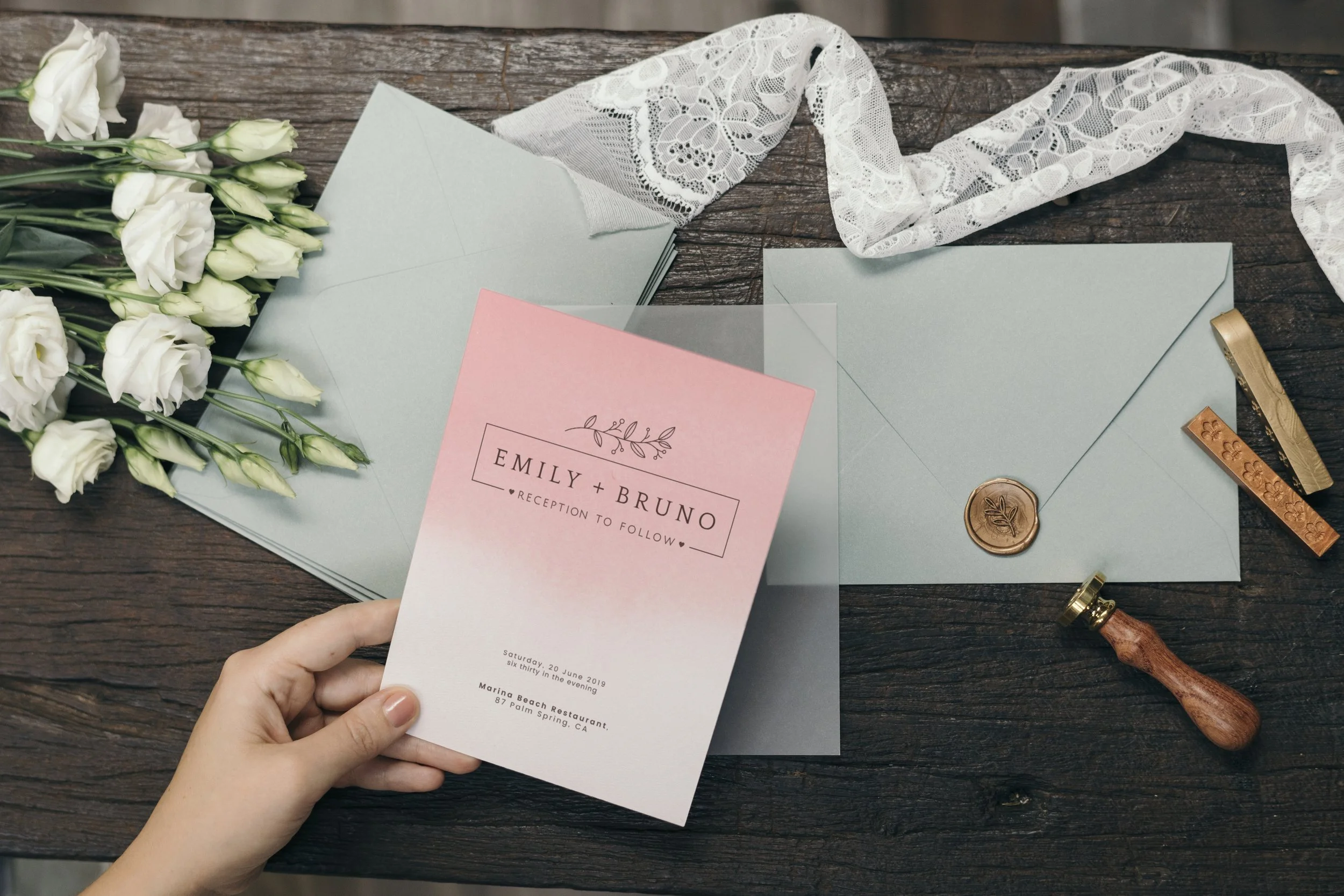
Crafting Sustainable Wedding Invitations: An In-Depth Guide to Using Handmade Cotton Paper
Your wedding invitations play a critical role in setting the stage for your big day, acting as the first glimpse guests have into your upcoming celebration. Choosing to craft your invitations using handmade cotton paper reflects your commitment to environmental sustainability and adds a unique, refined touch to the overall presentation.
At All Things Cotton Paper, our mission is to supply you with high-quality, unique, and authentic decorative papers for all your art, design, or craft needs, including your special day's wedding invitations.
Handmade cotton paper, derived from refined cotton from rags, textiles, and clothing, offers a sustainable, eco-friendly alternative to traditional wood-based paper. This tree-free paper, with its distinctive texture and natural deckles, adds a distinct elegance and charm to your wedding invitations, further enhancing your commitment to eco-conscious living.
The durability and versatility of handmade cotton paper allow for endless design possibilities, encompassing various printing techniques, textures, and colors to align with your wedding's theme and style.
In this in-depth guide, we'll explore the various aspects of crafting sustainable wedding invitations using handmade cotton paper. From selecting the appropriate paper type to design considerations and printing techniques, our comprehensive guide will provide tips, inspiration, and insights on creating truly memorable, environmentally-friendly invitations.
Whether you are looking to embark on a DIY project or seek guidance for collaborating with a professional designer or printer, this guide serves as a valuable resource for crafting elegant wedding invitations that resonate with your eco-conscious values.
Let your love for the environment and each other shine through by infusing your wedding invitations with the beauty, sustainability, and sophistication of handmade cotton paper. Make a statement and set the tone for your special day, one eco-friendly invitation at a time.
Choosing the Perfect Handmade Cotton Paper for Your Wedding Invitations
The first step in crafting your sustainable wedding invitations is selecting the ideal handmade cotton paper to suit your wedding's theme and style. Here are a few factors to consider when making your decision:
Weight and Thickness: A heavier, thicker paper lends an air of luxury to your invitations and ensures they hold up well in the mail. Consider a weight of at least 200 gsm for your cotton paper invitations.
Color and Texture: While handmade cotton paper comes in a variety of colors and textures, select a color that complements your wedding scheme and a texture that aligns with your design vision. Neutral colors such as white, ivory, and beige are classic choices for wedding invitations, allowing your design elements and text to stand out.
Size and Shape: Consider the dimensions and shape of your invitations – traditional sizes like 5"x7" or 4.25"x6" are easily accommodated by most postal services and envelopes. Additionally, think about whether you prefer a more classic rectangular shape or a unique, unconventional form.
Designing Your Handmade Cotton Paper Wedding Invitations
The design of your wedding invitations is an opportunity to express your personal style and incorporate elements that reflect your wedding's theme. Keep the following in mind when designing your invitations:
Typography and Fonts: Choose fonts that complement your wedding style and are easy to read on your chosen cotton paper. A mix of script and sans-serif fonts can create a balanced look that adds visual interest to the design.
Graphics and Illustrations: Incorporate graphics, illustrations, or monograms that reflect your wedding's theme or your personal style. Ensure these elements do not overwhelm the text or detract from the important information.
Layout and Format: Aim for a clean, balanced layout that places essential details front and center. Consider how your text and design elements will interact with the unique texture and deckles of your handmade cotton paper.
Printing Techniques for Handmade Cotton Paper Wedding Invitations
Once you have your design in place, it's time to bring your invitations to life through printing techniques that work well with handmade cotton paper:
Digital Printing: A cost-effective and accessible method, digital printing produces sharp, high-quality images and text on cotton paper. This technique is ideal for intricate designs and vibrant colors.
Letterpress Printing: By pressing inked, raised type or graphics onto cotton paper, letterpress printing creates a tactile, elegant look. This technique is especially well-suited for handmade cotton paper, as the deep impressions lock the ink into the paper's fibers, resulting in crisp, detailed images.
Foil Stamping: For a touch of glamour, foil stamping uses heat and pressure to transfer metallic foils onto the cotton paper. This method adds a luxurious, shiny accent that elevates the overall design of your invitations.
Eco-Friendly Assembly and Sending of Your Cotton Paper Invitations
As a final step, consider the presentation, packaging, and sending of your invitations to ensure you maintain the eco-conscious ethos carried throughout your invitation creation process:
Sustainable Envelopes: Pair your handmade cotton paper invitations with matching or complementary cotton paper envelopes, or select envelopes made from recycled materials.
Seals and Finishing Touches: For added elegance, use wax seals or biodegradable ribbon to secure your invitations. Opt for seals made from natural wax or ribbons crafted from materials like cotton or hemp.
Postage and Addressing: When it's time to mail your invitations, select postage stamps that align with your wedding theme or feature environmental messages. Consider hand-addressing each envelope for a personal touch or using a calligrapher who uses eco-friendly ink.
Conclusion
Designing and creating wedding invitations using handmade cotton paper not only sets the stage for your eco-conscious celebration but also leaves a lasting impression on your guests. From selecting the perfect cotton paper to exploring various design elements and printing techniques, the journey toward crafting sustainable wedding invitations reflects your core values and commitment to the environment.
By embracing the versatility, elegance, and environmentally-friendly nature of handmade cotton paper, you can make a statement that transcends the event itself and sets the tone for a lifetime of love and sustainability.
Elevate your wedding with the unique and authentic decorative papers from AllThingsCottonPaper. Our high-quality, tree-free paper is recycled using refined cotton from rags, clothing, and textiles, making it the perfect choice for any art, design, or craft project. Choose from our wide selection of decorative papers and customize your wedding invitation suite to perfectly reflect your style and personality. Contact us today to start creating your dream wedding invitations with AllThingsCottonPaper.

Master the Art of Paper Quilling with Cotton Paper: A Comprehensive Guide for Beginners
Embark on an artistic journey into the fascinating world of paper quilling using eco-friendly handmade cotton paper.
Paper quilling, a centuries-old art form that originated during the Renaissance, continues to capture the hearts and minds of artists and crafters today. This intricate and delicate technique involves rolling, shaping, and gluing narrow strips of paper to create mesmerizing patterns and designs. When combined with the natural charm and eco-consciousness of handmade cotton paper, a new level of artistic elegance, texture, and sustainability is achieved. At All Things Cotton Paper, our passion lies in introducing enthusiasts to the beauty and benefits of using exceptional, tree-free cotton paper in their art, design, and craft projects. In this comprehensive guide, we invite you to take your first steps into mastering the art of paper quilling as we unravel the secrets behind this captivating craft and demonstrate how to transform handmade cotton paper into exquisite, sustainable masterpieces.
Paper quilling has its roots in ancient Europe, where monks and nuns used strips of gold-edged paper from religious manuscripts to create embellishments resembling intricate filigree work. It quickly gained popularity among the European aristocracy as a fashionable pastime and decorative art form. Over time, quilling gained widespread appeal and evolved into the mesmerizing craft we know and love today. As environmental awareness grows, artists and crafters worldwide are embracing the use of sustainable materials, such as recycled handmade cotton paper, in their quilling projects.
Cotton paper presents an eco-friendly alternative to the pulp-based papers commonly used in quilling. Made from recycled fibers and textiles – such as rags and clothing – rather than the pulp from cotton seed, it is a truly tree-free paper. At the same time, the unique texture and integrity of handmade cotton paper add depth and character to quilled designs, enhancing their visual appeal and longevity.
In the following sections, we will delve deeper into the fascinating realm of paper quilling, offering beginners a detailed roadmap to success. From introducing essential techniques and tools to providing helpful tips, project ideas, and resources, this guide aims to empower you with the knowledge and confidence you need to create striking, sustainable quilled art using handmade cotton paper.
So, let us embark on this enchanting artistic journey together and unfold the boundless potential of paper quilling with cotton paper.
Essential Paper Quilling Tools and Supplies
To begin your paper quilling adventure, you'll need a few basic tools and supplies. While some of these items may already be available in your home, others can be easily found at your local craft store or online. The following list highlights the essentials:
1. Handmade Cotton Paper Strips: Pre-cut strips of cotton paper are available in various widths and colors, lending themselves beautifully to quilling creations. You can also create your own strips by cutting sheets of handmade cotton paper with a paper cutter or craft knife. The eco-friendly and textured nature of cotton paper adds a unique touch to your projects.
2. Slotted Quilling Tool: This tool features a slender metal rod with a small slot at the tip, designed to hold the edge of a paper strip as you coil it. A slotted quilling tool is ideal for beginners, as it makes rolling paper coils consistently much easier.
3. Fine-Tip Tweezers: A pair of fine-tip tweezers is invaluable for manipulating and positioning small paper shapes while quilling. They provide greater precision and control than using your fingers alone.
4. Quilling Needle: A quilling needle, which resembles a sewing needle with a longer, thicker shaft, is used for advanced techniques where the slotted tool's slot would interfere with delicate or tight coils.
5. Quilling Workboard: A workboard, typically made of cork, foam, or plastic with a grid of evenly spaced holes, helps keep your quilled shapes organized and in place while you work.
6. Straight Pins: Straight pins can be used to hold paper shapes on the quilling workboard or to assist with gluing and shaping.
7. Craft Glue: An archival-quality, fast-drying, and clear-drying craft glue is essential for adhering quilled shapes together and to your project surface.
Basic Paper Quilling Techniques for Beginners
Once you've gathered your tools and supplies, it's time to explore some basic paper quilling techniques. Here are a few easy-to-learn skills to help get you started:
1. Creating Coils: Using a slotted quilling tool, insert the end of a paper strip into the slot, and start spinning the tool, guiding the paper strip with your free hand until you've coiled the entire strip. For a loose coil, remove the paper from the tool and let it expand slightly before gluing the loose end. For a tightly bound coil, simply glue the end without releasing its tension.
2. Shaping Coils: From the basic loose coil, you can create a variety of shapes. Pinch opposite sides of the coil to form an eye shape, or gently push the center inwards for a dome or cup shape. Experiment with several variations to add dimension to your quilled designs.
3. Combining Shapes: Mastering basic shapes will enable you to combine them in creative patterns and designs, forming the foundation of your quilled projects. Experiment with combining different shapes, colors, and sizes to develop your artistic style.
4. Joining Quilled Elements: When you've created a collection of quilled shapes, use craft glue to adhere them. Apply a small dab of glue to the area where the shapes will connect, then use tweezers or a quilling needle to gently press the pieces together until the glue sets.
Inspiring Project Ideas for Quilling with Handmade Cotton Paper
With basic quilling techniques under your belt, you're ready to embark on a variety of inspiring creative projects. Here are just a few ideas to get your creative juices flowing:
1. Quilled Greeting Cards: Add a touch of personalized elegance to your handmade cards by incorporating quilled elements, such as flowers, butterflies, or intricate patterns.
2. Framed Quilled Art: Create a stunning piece of wall art by designing a quilled motif or pattern on a piece of cotton paper or cardstock. Frame your completed masterpiece to display your skill and eco-friendly sensibilities.
3. Quilled Jewelry: Fashion unique, eye-catching accessories by utilizing quilling techniques to create earrings, pendants, or brooches. Seal your quilled pieces with a clear sealant to protect and add durability.
4. Home Decor and Gifts: Embellish photo frames, mirrors, or keepsake boxes with quilled designs, transforming them into treasured gifts or stylish home accents.
Conclusion
Paper quilling with handmade cotton paper offers a delightful and eco-friendly avenue for artistic expression. By learning basic techniques and experimenting with different tools, shapes, and designs, you can create mesmerizing, sustainable art pieces and crafts. Allow the unique texture and elements of handmade cotton paper to inspire your creative journey, knowing that your passion for quilling not only results in beautiful creations but also contributes to a greener and more eco-conscious world. Happy quilling!

Unleash Your Creativity with Handmade Cotton Paper: Top 5 Techniques in Mixed Media Art
The endless variety and stunning visual effects achieved with mixed media art have made it a popular choice among artists, designers, and crafters worldwide. Mixed media art involves combining several different art mediums and techniques to create a single, unified piece. When handmade cotton paper is introduced as part of the mixed media process, artists enjoy the benefits of an eco-friendly, versatile, and durable foundation for their creative expressions. Here at All Things Cotton Paper, we take immense pride in providing high-quality, unique, and authentic decorative papers that are perfect for mixed media applications, offering endless possibilities for artistic exploration. In this blog article, we will dive into the top 5 mixed media techniques that can be employed using handmade cotton paper, guiding you on your creative quest to produce remarkable, multi-faceted art pieces.
Handmade cotton paper, made from recycled cotton rags, textiles, and clothing, is an excellent choice for mixed media artists seeking materials that not only align with their environmental ethos but also enhance the overall quality and aesthetic appeal of their artwork. The eco-friendly manufacturing process, combined with the paper's inherent strength, durability, and unique texture, makes handmade cotton paper a sought-after surface that can accommodate a wide assortment of media, techniques, and styles.
Whether you are a seasoned artist or a budding talent eager to experiment with mixed media, incorporating handmade cotton paper into your art process can open doors to new creative horizons and redefine the way you perceive and connect with your artistic canvas. In the sections that follow, we will examine some of the most popular mixed media techniques – from painting and drawing to collage, printmaking, and more – showcasing how you can layer and blend these elements on cotton paper to create truly mesmerizing, multi-dimensional artworks.
So, prepare to push the boundaries of your artistic imagination and unleash your creativity as we delve deep into the world of mixed media art using handmade cotton paper. Let the adventure begin!
1. Painting on Handmade Cotton Paper
Handmade cotton paper provides a unique and textured canvas for painting, and its composition opens up a world of possibilities when it comes to paint application. With its innate absorbency and resilience, cotton paper demonstrates compatibility with various paint mediums, such as watercolor, acrylic, and oil paints. Here are a few pointers to get started with painting on handmade cotton paper:
- Watercolors: The absorbent nature of cotton paper enhances the captivating flow and vibrancy of watercolors, creating ethereal and visually stunning effects. To achieve an even color wash, wet your cotton paper with a brush or spray bottle before applying paint. This practice allows for smoother color transitions and prevents the formation of hard edges.
- Acrylics: Acrylic painting on cotton paper offers rich, bold colors and allows for a faster drying time. The textured surface of cotton paper can enhance the depth and interest in your brush strokes, creating captivating artistic expressions.
- Oils: Although less conventional, oil painting on cotton paper can offer unique effects and advantages. Cotton paper provides a porous surface that absorbs excess oil, reducing drying time while maintaining the colors' intensity and richness. Ensure your cotton paper is primed with gesso to prevent oil paints from seeping through and weakening the paper fibers.
2. Drawing and Sketching Techniques for Cotton Paper
Handmade cotton paper's alluring texture lends a distinctive touch to various drawing and sketching methods. Artists can explore charcoal, graphite, pastels, or even pen and ink, capitalizing on cotton paper's remarkable versatility:
- Charcoal and Graphite: The toothy surface of cotton paper excels at gripping both charcoal and graphite, allowing for rich, intense shading and an expressive range of values.
- Pastels: The vibrant colors and strong adherence of soft pastels on cotton paper are particularly stunning, while the coarse texture forms the perfect surface for layering, blending, and creating atmospheric effects.
- Pen and Ink: Unleash your creativity with striking pen and ink work on handmade cotton paper, including contour drawing, stippling, hatching, and cross-hatching techniques. The natural texture of cotton paper creates a beautiful backdrop for detailed black-and-white or colored ink illustrations.
3. Exploring Collage Art on Handmade Cotton Paper
Collage, another exciting mixed media technique, incorporates varied elements such as photographs, magazine clippings, scraps of decorative paper, and even found objects. A few ways to integrate collage into your cotton paper-based artwork include:
- Mixed Media Backgrounds: Use cotton paper as a base to create textured backgrounds by layering and gluing various paper materials. Once dried, incorporate other elements such as paint, pastels, or ink to further enhance your composition.
- Assemblage Techniques: Integrate 3D elements like fabric, beads, buttons, or wire directly onto your handmade cotton paper artwork, elevating the viewer's experience through tactile interaction and intriguing visual depth.
- Photomontage: Blend photographs, illustrations, and drawings into your cotton paper-based collage, creating a unique interplay of techniques and visuals while evoking a range of emotions and stories through your artwork.
4. Printmaking with Handmade Cotton Paper
Handmade cotton paper makes an excellent surface material for various printmaking techniques, such as relief printing (linocut and woodcut), intaglio (etching and engraving), and monoprinting. The cotton fibers' strength and absorbency facilitate intricate details and vibrant colors in the finished artwork:
- Relief Printing: Handmade cotton paper effortlessly captures the distinctive textures and outlines of relief prints, enhancing the captured impressions of inked linoleum or woodblock surfaces.
- Intaglio: The fine details of etched or engraved plates leave an alluring mark on handmade cotton paper, creating crisp, clear images. Dampening the cotton paper before printing ensures a better transfer of ink from the plate to the paper surface.
- Monoprinting: The unique combination of printmaking and painting techniques in monoprints offers a delightful medium for one-of-a-kind, spontaneous creations when applied on textured cotton paper, which enhances the translucency and variations of color distribution.
Conclusion
The captivating world of mixed media art beckons when you experiment with handmade cotton paper. Its eco-friendly, versatile nature serves as the foundation for numerous techniques, including painting, drawing, collage, and printmaking, offering artists access to endless creative possibilities. Embrace the enchanting charm and sustainability of handmade cotton paper and embark on a gratifying and inspiring journey, weaving together multiple art forms into striking, multi-dimensional masterpieces.

Transform Your Memories with Handmade Cotton Paper: A Step-by-Step Guide to Creating Custom Photo Albums
There's something magical about flipping through the pages of a photo album, reminiscing and reliving the moments captured within. While digital albums and online sharing have taken center stage, the charm and significance of a physical photo album are unmatched. Handmade cotton paper offers you an opportunity to elevate your photo album experience, combining the eco-consciousness and tactile appeal of tree-free paper with the warm sentiment of lasting memories. At All Things Cotton Paper, we supply you with high-quality, unique, and authentic decorative papers that are perfect for designing truly remarkable photo albums, along with countless other art, design, and craft projects.
Made from refined cotton sourced from rags, clothing, and textiles, handmade cotton paper presents a sustainable alternative to traditional wood-pulp-based paper, offering an environmentally friendly foundation for your photo albums. The strength, durability, and absorbency of cotton paper ensure that your memories stand the test of time, retaining their vibrancy and charm. Additionally, the unique texture and natural deckles of handmade cotton paper add an artistic and personal touch to each page, transforming your photo album into a timeless keepsake or a meaningful gift for loved ones.
In this blog article, we will guide you through a step-by-step process of creating a custom photo album using handmade cotton paper. From choosing and preparing your cotton paper to organizing and displaying photos, our comprehensive guide will provide you with inspiration, techniques, and tips to make the most of your photo album-making experience. Whether you are looking to commemorate a vacation, a special event, family memories, or simply showcase your favorite photos, allow handmade cotton paper to serve as your canvas, capturing the essence of your cherished memories in an unforgettable and sustainable fashion.
Join us as we journey through the art of crafting a handmade cotton paper photo album, one beautiful page at a time. Let your creativity and memories intertwine, leaving an indelible impression on your heart and soul.
1. Selecting and Preparing Your Handmade Cotton Paper
Before you begin crafting your photo album, you'll need to choose the perfect handmade cotton paper for your needs. Here are some factors to consider when selecting your paper:
- Texture and Weight: Handmade cotton paper comes in various textures and weights, from smooth and sleek to heavily textured and extra sturdy. Select a paper weight that lends itself well to supporting your photos and any additional embellishments you plan to include.
- Color: Though available in a range of colors, opting for natural and neutral shades of cotton paper will ensure that your photos remain the focus and won't compete with the vibrancy of the paper.
- Size: Consider the size and orientation of your photo album, taking into account the number of photos you want to include, as well as the desired layout for each page.
Once you've chosen your cotton paper, you may want to prepare it for use in the album by carefully trimming the edges or tearing them for a more natural, deckled look.
2. Planning Your Photo Album Layout
Before you start assembling the album, it's essential to plan the layout and organization of your photos. Keep in mind the following elements as you map out your album's design:
- Theme and Style: Determine the overall theme and style of your photo album, whether it's chronological, event-based, or simply an eclectic selection of your favorite memories.
- Page Design: Consider how you'll arrange the photos on each page, balancing visual interest with the number of photos you want to include. You may incorporate simple or elaborate borders, captions, or decorations to suit your personal style.
- Consistency: Aim for a cohesive look throughout your album by repeating specific design elements, colors, and formats.
3. Affixing Photos and Creative Techniques for Decoration
Once you have planned your layout, it's time to adhere your photos to the cotton paper pages. Since the paper is porous, it's essential to choose an adhesive that dries clear and bonds securely. Archival double-sided adhesive, photo corners, or clear glue are all excellent options that will not damage the paper or the photos over time.
Next, you can explore creative ways to enhance your photo album pages, such as:
- Hand-Drawn Borders: Add a personal touch with hand-drawn borders using fine-tip markers, colored pencils, or metallic pens.
- Rubber Stamping: Add decorative elements or custom captions with rubber stamps and archival-quality inks that won't bleed, fade, or damage your cotton paper.
- Collage and Mixed Media Elements: Embellish your album pages with small cut-outs, embellishments, or decorative elements that complement your photos, theme, and style.
4. Binding and Assembling Your Handmade Cotton Paper Photo Album
When you are satisfied with your photo album's layout and design, it's time to consider how to bind and assemble your album pages. The following options offer various binding methods to suit your artistic vision:
- Spiral or Wire Binding: Punch holes along one edge of your cotton paper pages and secure them with a spiral, wire, or plastic coil binder. This binding method allows your album pages to lay flat when opened, showcasing your photos beautifully.
- Accordion or Concertina Binding: Fold several long sheets of cotton paper accordion-style and attach sequential pages back-to-back, creating a continuous flow of pages from a single sheet.
- Japanese Stab Binding: With this traditional binding method, use a sturdy thread and needle to sew your album pages along the spine, securing them in place with a decorative series of stitches.
- Post-bound Albums: Create custom cover boards and secure your cotton paper pages between them using metal or plastic screw posts. This method allows you to add or remove pages to your album easily.
Conclusion
Creating a handmade cotton paper photo album is not just a beautiful way to preserve and share your memories; it's also an inspiring, artistic endeavor that combines the beauty and sustainability of eco-friendly materials with the charm of personal, thoughtfully curated photos. Whether you're designing a family heirloom, a memorable gift, or an exceptional way to display your photographic talents, a handmade cotton paper photo album adds a unique and lasting impact. Embrace the dynamic world of cotton paper artistry and treasure your memories in a stylish, durable, and environmentally conscious manner.

Discover the Magic of Handmade Cotton Paper: Uses and Benefits in Art, Design, and Crafts
Explore the world of handmade cotton paper as we dive into its history, unique properties, and diverse uses in a variety of creative projects.
There is something incredibly alluring about the look, feel, and texture of handmade cotton paper that has managed to fascinate artists, designers, and craft enthusiasts for centuries. Its unique characteristics and the intriguing process through which it is created bring aesthetic appeal and artistic value to a multitude of creative projects. As a leading supplier of high-quality, unique, and authentic decorative papers, we at AllThingsCottonPaper take immense pride in sharing our love for this versatile, eco-friendly, and sustainable medium with our customers. In this blog post, we will unravel the magic of handmade cotton paper and share its incredible uses and benefits in art, design, and crafts.
Handmade cotton paper is a timeless creation that has its roots in ancient Egyptian, Chinese, and Islamic cultures. Despite various technological advancements, its traditional process of being formed from natural fibers and pulp remains relatively unchanged. This serves as a testament to the craftsmanship and artistry involved in producing a sheet of handmade cotton paper. The result is an unparalleled tactile and visual sensory experience that is both sophisticated and organic.
The Enchanting History of Handmade Cotton Paper
Stepping back in time, the story of handmade cotton paper begins with the ancient Egyptians and the production of papyrus, a paper-like material made from the stems of the papyrus plant. This early form of paper was used to record important information, religious texts, and creative expressions. The subsequent Chinese invention of papermaking around 100 BC marked a significant turning point in the history of paper. They began producing paper using mulberry bark, silk, and later, cotton rags, as primary materials. The method of papermaking, incorporating cotton fibers, quickly spread across the Islamic world, reaching Spain, Italy, and eventually the rest of Europe.
During the Medieval period, handmade cotton paper became highly prized for its strength and durability. Renowned artists and calligraphers favoured it as a surface for their exquisite works, which led to the flourishing of various art forms and craft styles. In the modern era, despite the advent of machine-made papers, handmade cotton paper continues to maintain its charm and resonance, captivating professionals and hobbyists alike, and bearing testimony to the rich ancestry of this extraordinary medium.
The Art of Crafting Handmade Cotton Paper
One cannot help but appreciate the intricate and painstaking process that goes behind the creation of every single sheet of handmade cotton paper. It all starts with sourcing high-quality cotton linters or cotton rags from various textile industries. These are then washed and cleaned to remove any impurities, such as dirt, grease, and dyes. Post-cleaning, the cotton material is beaten to separate the fibers and is subsequently mixed with water to create a slurry.
At this stage, the artisan skillfully immerses a paper mould with a removable frame, known as a deckle, into the slurry, carefully lifting it to drain the excess water. As the water continues to drain, the cotton fibers settle onto the mould and interlock, forming a mat of freshly set cotton paper. This new sheet of paper is then carefully removed from the mould, pressed to eliminate remaining water, and air-dried under the sun or indoors, depending on the humidity and weather conditions.
The meticulous process of creating handmade cotton paper results in a one-of-a-kind sheet with a natural deckle edge, an attractive feature that adds a touch of elegance and authenticity to any creative project.
Unique Properties and Benefits of Handmade Cotton Paper
The inherent qualities of cotton lend handmade cotton paper its distinctive properties, which make it a highly desirable choice for a myriad of creative applications:
1. Strength and Durability: Cotton fibers are innately strong and sturdy, ensuring that your handmade cotton paper projects last longer and withstand wear and tear better than traditional wood-pulp papers. This makes them the preferred choice for custom invitations, photo albums, and artworks that need to stand the test of time.
2. Textural Appeal: Handmade cotton paper is treasured for its seductive surface texture, characterized by minute irregularities and a gentle tactile finish that adds nuance and depth to your artistic and craft ventures.
3. Colorfastness: Cotton paper exhibits exceptional colour retention properties, as the cotton fibers absorb and hold on to pigments, preventing them from fading or bleeding. This allows your artwork to remain vibrant and fresh for years to come.
4. Sustainability: Handmade cotton paper's environmentally friendly nature, owing to its source material and production process, holds tremendous appeal to a growing number of eco-conscious artists and designers. By choosing to work with this sustainable medium, you can contribute positively towards conserving the Earth’s resources and reducing landfill waste.
Exploring the World of Creativity with Handmade Cotton Paper
Possibilities abound when using handmade cotton paper in your artistic and craft pursuits. Here are just a few inspiring ideas:
1. Painting: Whether you are a watercolourist, an oil painter, or an acrylic artist, the texture and absorbency of cotton paper open up exciting avenues for experimentation and self-expression. Allow your colours to flow, blend, and dance on the rich surface of handmade cotton paper.
2. Printmaking: Handmade cotton paper is well-suited to various printmaking techniques, such as linocut, woodcut, etching, and screen-printing. Capture striking impressions and intricate details on its resilient, absorbent surface.
3. Bookbinding: Choosing handmade cotton paper for bookbinding projects adds a touch of luxury and refinement to journals, guest books, scrapbooks, or sketchbooks. The paper's strength and durability ensure your precious memories and creations last a lifetime.
4. Paper Crafts: Unleash your creativity in the realm of paper crafts with handmade cotton paper — think greeting cards, origami, découpage, paper quilling, and so much more. The possibilities are endless.
Conclusion
The unique qualities, history, and creative potential of handmade cotton paper make it an invaluable addition to any artist's or crafter's toolkit. Whether you are a professional or simply enjoy dabbling in the world of art and design, by choosing to work with this versatile, eco-friendly material, you invest not only in durability and aesthetic value but also contribute to sustainable practices. Embrace the magic of handmade cotton paper and elevate your artistic and craft projects to new, exhilarating heights.
AllThingsCottonPaper is your trusted supplier of high-quality decorative cotton paper for any art, design or craft project. Browse through our shop now to find what you are looking for.
Discover the Magic of Handmade Cotton Paper: Uses and Benefits in Art, Design, and Crafts
It all begins with an idea.


Explore the world of handmade cotton paper as we dive into its history, unique properties, and diverse uses in a variety of creative projects. Unleash your imagination and transform your art, design, and craft projects with this versatile material. Contact AllThingsCottonPaper now.
There is something incredibly alluring about the look, feel, and texture of handmade cotton paper that has managed to fascinate artists, designers, and craft enthusiasts for centuries. Its unique characteristics and the intriguing process through which it is created bring aesthetic appeal and artistic value to a multitude of creative projects. As a leading supplier of high-quality, unique, and authentic decorative papers, we at AllThingsCottonPaper take immense pride in sharing our love for this versatile, eco-friendly, and sustainable medium with our customers. In this blog post, we will unravel the magic of handmade cotton paper and share its incredible uses and benefits in art, design, and crafts.
Handmade cotton paper is a timeless creation that has its roots in ancient Egyptian, Chinese, and Islamic cultures. Despite various technological advancements, its traditional process of being formed from natural fibers and pulp remains relatively unchanged. This serves as a testament to the craftsmanship and artistry involved in producing a sheet of handmade cotton paper. The result is an unparalleled tactile and visual sensory experience that is both sophisticated and organic.
Be clear, be confident and don’t overthink it. The beauty of your story is that it’s going to continue to evolve and your site can evolve with it. Your goal should be to make it feel right for right now. Later will take care of itself. It always does.

Exploring the World of Creativity with Handmade Cotton Paper
It all begins with an idea.
Possibilities abound when using handmade cotton paper in your artistic and craft pursuits. Here are just a few inspiring ideas:
1. Painting: Whether you are a watercolourist, an oil painter, or an acrylic artist, the texture and absorbency of cotton paper open up exciting avenues for experimentation and self-expression. Allow your colours to flow, blend, and dance on the rich surface of handmade cotton paper.
2. Printmaking: Handmade cotton paper is well-suited to various printmaking techniques, such as linocut, woodcut, etching, and screen-printing. Capture striking impressions and intricate details on its resilient, absorbent surface.
3. Bookbinding: Choosing handmade cotton paper for bookbinding projects adds a touch of luxury and refinement to journals, guest books, scrapbooks, or sketchbooks. The paper's strength and durability ensure your precious memories and creations last a lifetime.
4. Paper Crafts: Unleash your creativity in the realm of paper crafts with handmade cotton paper — think greeting cards, origami, découpage, paper quilling, and so much more. The possibilities are endless.
Conclusion
The unique qualities, history, and creative potential of handmade cotton paper make it an invaluable addition to any artist's or crafter's toolkit. Whether you are a professional or simply enjoy dabbling in the world of art and design, by choosing to work with this versatile, eco-friendly material, you invest not only in durability and aesthetic value but also contribute to sustainable practices. Embrace the magic of handmade cotton paper and elevate your artistic and craft projects to new, exhilarating heights.
AllThingsCottonPaper is your trusted supplier of high-quality decorative cotton paper for any art, design or craft project. Browse through our shop now to find what you are looking for.


Blog Post Title Three
It all begins with an idea.
It all begins with an idea. Maybe you want to launch a business. Maybe you want to turn a hobby into something more. Or maybe you have a creative project to share with the world. Whatever it is, the way you tell your story online can make all the difference.
Don’t worry about sounding professional. Sound like you. There are over 1.5 billion websites out there, but your story is what’s going to separate this one from the rest. If you read the words back and don’t hear your own voice in your head, that’s a good sign you still have more work to do.
Be clear, be confident and don’t overthink it. The beauty of your story is that it’s going to continue to evolve and your site can evolve with it. Your goal should be to make it feel right for right now. Later will take care of itself. It always does.

Blog Post Title Four
It all begins with an idea.
It all begins with an idea. Maybe you want to launch a business. Maybe you want to turn a hobby into something more. Or maybe you have a creative project to share with the world. Whatever it is, the way you tell your story online can make all the difference.
Don’t worry about sounding professional. Sound like you. There are over 1.5 billion websites out there, but your story is what’s going to separate this one from the rest. If you read the words back and don’t hear your own voice in your head, that’s a good sign you still have more work to do.
Be clear, be confident and don’t overthink it. The beauty of your story is that it’s going to continue to evolve and your site can evolve with it. Your goal should be to make it feel right for right now. Later will take care of itself. It always does.