

Decorating with Cotton Paper: Fun Tips and Tricks
Decorating with cotton paper is a fun way to add unique and personal touches to your home. Cotton paper, made from recycled textiles, offers a durable and environmentally friendly option for all your art and craft projects. Its rich texture and strength make it perfect for various decorations, from wall art to festive ornaments.
One of the best things about cotton paper is its versatility. You can use it to create custom prints and posters that reflect your style. Imagine filling your walls with personalized artwork that stands out because of the paper’s quality and texture. Framing these pieces makes them look even more professional and adds elegance to any room.
Decorative paper panels and collages are another great use for cotton paper. These can bring texture and interest to your home décor. Whether you want to create a focal point in your living room or add a cozy touch to your bedroom, cotton paper offers endless possibilities. Seasonal crafts and party decorations are also more special with cotton paper, making your celebrations memorable. This guide will give you fun tips and tricks for decorating with cotton paper, helping you transform your space in creative and beautiful ways.
Creative Wall Art Using Cotton Paper
Making Custom Prints and Posters
Creating custom prints and posters with cotton paper is an excellent way to personalize your space. Start by choosing high-quality cotton paper that suits your design. For vibrant colors, opt for smoother textures that allow the ink to sit well. If you prefer a more artistic, handmade look, consider using textured cotton paper, which adds character to your prints.
To make your prints, you can use various methods such as digital printing, stamping, or even hand-painting. The sturdiness of cotton paper ensures that your artwork holds up well over time. Once your print is ready, you can enhance its appearance by carefully cutting the edges with a craft knife or decorative scissors.
Display your custom prints in areas where they can be easily seen, like living rooms or hallways. You can use simple frames or create DIY hanging solutions with clothespins and string. Custom prints and posters made with cotton paper can transform your walls into a gallery of your personal style and creativity.
Framed Paper Art Pieces
For a more refined look, consider creating framed paper art pieces. Start by selecting cotton paper in colors and textures that match your room décor. You can cut out shapes, create paper quilling designs, or layer different pieces of cotton paper to make a textured collage.
Position your paper art within a shadow box frame to add depth and protect your work. Use a background that contrasts with your artwork to make it stand out even more. Arrange multiple frames together on your wall for a cohesive art display that catches the eye.
Adding framed paper art pieces to your home gives it a touch of elegance and sophistication. The durability and versatility of cotton paper allow you to explore endless creative possibilities while ensuring that your art pieces remain in excellent condition.
Adding Texture to Home Décor
Decorative Paper Panels
Decorative paper panels are a fun and easy way to add texture and color to your home décor. You can create panels by cutting cotton paper into various shapes and patterns. Mix and match different textures and colors to create a unique design that complements your room.
Attach the paper panels to your walls using adhesive strips for easy removal and rearrangement. Arrange them in patterns or grid layouts to create a striking focal point. You can also layer the panels to add depth and dimension to your walls. The versatility of cotton paper makes it easy to customize the panels to fit any décor style.
Decorative paper panels are perfect for adding a pop of color to a bland wall or creating a themed wall display. They are also an affordable way to refresh your home décor without needing to paint or make permanent changes.
Cotton Paper Collages
Creating cotton paper collages is another way to add texture and personality to your home. Start by gathering different types of cotton paper with various colors, finishes, and textures. Cut or tear the paper into different shapes and sizes.
Arrange your pieces on a canvas or thick paper, layering them to create depth and interest. You can use glue to secure the pieces in place. Create collages that reflect your personal style, themes, or favorite color schemes.
Cotton paper collages can be framed or mounted on your walls as standalone pieces. They add a dynamic and tactile element to your décor, making your space feel more inviting and personalized. Cotton paper's unique qualities ensure that your collages will remain vibrant and intact for years to come.
Festive Decorations and Seasonal Crafts
Holiday Ornaments and Garlands
Cotton paper is perfect for creating holiday ornaments and garlands. The paper's durability ensures your decorations will last through the season. You can cut the cotton paper into various festive shapes such as stars, snowflakes, or even small Christmas trees. Punch a hole at the top of each shape and thread a piece of ribbon or string through the hole to hang them.
For garlands, cut the paper into strips or shapes and use a needle and thread to string them together. You can make a colorful garland by mixing different colored cotton papers or create a more elegant look with just one color. Hang the garland on your tree, across a mantel, or around door frames to add a festive touch to your home.
These cotton paper decorations are easy to make and can be customized to fit any holiday or personal style. Plus, making your own ornaments and garlands is a fun activity that the whole family can enjoy.
Themed Party Decorations
Cotton paper also works great for themed party decorations. Whether it’s a birthday, anniversary, or seasonal celebration, you can use cotton paper to create banners, table centerpieces, and other party décor.
To make a customized banner, cut cotton paper into triangles or rectangles. Use markers or paint to write letters on each piece, spelling out a festive message like “Happy Birthday” or “Congratulations.” String the pieces together and hang the banner where it can be seen by all your guests.
For table centerpieces, you can create paper flowers or other shapes that match your party theme. Cotton paper’s texture adds an elegant touch to these decorations, making your party look well put together. Personalizing your party with cotton paper crafts makes the event more memorable and unique.
Practical Tips for Working with Cotton Paper
Cutting and Shaping Techniques
When working with cotton paper, it's essential to use the right cutting and shaping techniques to achieve the best results. Sharp scissors or a craft knife can give you clean edges and precise shapes. For detailed cuts, like intricate designs or small shapes, use a craft knife with a cutting mat to protect your work surface.
Folding cotton paper can add a three-dimensional aspect to your projects. To create crisp folds, use a bone folder or the back of a spoon to press down on the fold line. This ensures that the paper doesn't crack or tear.
If you need to cut multiple layers of cotton paper, secure them together with clips or a binder to keep them aligned. This helps in achieving consistent shapes and sizes, reducing the chance of mistakes.
Preserving and Displaying Your Art
Preserving your cotton paper art is important to keep it looking fresh and vibrant. Store leftover cotton paper in a cool, dry place to prevent it from warping or getting damaged. When displaying your creations, consider using glass frames or shadow boxes to protect them from dust and light.
For items like garlands or ornaments that get stored away seasonally, wrap them in acid-free tissue paper and store them in a sturdy box. This keeps them safe from moisture and pests.
To display your cotton paper art, think about where it will look best and how it can be protected. Whether it's a framed piece on the wall or a decorative panel in the living room, proper placement can enhance the beauty of your work while keeping it in good condition.
Conclusion
Decorating with cotton paper is an enjoyable way to add personality and creativity to your home. From making custom prints to festive party decorations, the possibilities are endless. Cotton paper's durability and unique texture make it an ideal choice for various projects. Whether you're creating holiday ornaments or elegant wall art, cotton paper helps you achieve beautiful results.
The tips and techniques shared in this guide provide a foundation for working with cotton paper. With a little creativity, you can transform your space and make it truly your own. The eco-friendly nature of cotton paper also means you can decorate while being kind to the environment.
Ready to start decorating with cotton paper sheets? Contact AllThingsCottonPaper to explore our range of high-quality, tree-free papers and get inspired for your next project. Transform your home décor with the beauty and versatility of cotton paper today!

DIY Home Decor: Crafting with Cotton Paper for a Greener Home
Decorating your home with eco-friendly materials is a wonderful way to combine creativity with sustainability. By using tree-free cotton paper, you not only enhance the beauty of your space but also contribute to a healthier planet. This kind of paper is made from recycled rags, clothing, and textiles, making it a perfect choice for environmentally conscious crafters.
I love using cotton paper for home decor projects because it is versatile and durable. Its unique texture and patterns add a special touch to any room. Plus, knowing that it’s made from recycled materials makes every piece feel even more special. In this article, I’ll share some fun and easy ways to use cotton paper to create beautiful decorations for your home.
From wall art to decorative accessories, there are many ways to incorporate cotton paper into your decor. These projects are simple enough for anyone to try and offer a great way to personalize your living space. So, let's dive in and explore how you can make your home both stylish and eco-friendly with the beauty of cotton paper!
Understanding Eco-Friendly Home Decor
Why Choose Eco-Friendly Decor?
Choosing eco-friendly decor is important because it helps protect our environment. When we use sustainable materials, we reduce waste and pollution. This means fewer harmful chemicals are released into the air and water. Plus, we save natural resources like trees and water. Using eco-friendly decor also teaches kids about how important it is to take care of our planet.
Eco-friendly decor not only benefits the earth but also makes our homes healthier. Many traditional decor items contain harmful chemicals that can cause allergies or other health problems. Sustainable materials are often free from these chemicals, making our living spaces safer. Plus, eco-friendly decor can be creative and beautiful, allowing us to express our personal style in a responsible way.
Benefits of Using Tree-Free Cotton Paper
Using tree-free cotton paper for your home decor is a great way to be kind to the environment. This paper is made from recycled cotton rags, clothing, and textiles, not from trees. Because no trees are cut down to make it, we help preserve forests and support wildlife habitats. Plus, making cotton paper uses less water and energy than traditional paper-making processes, which saves valuable resources.
Cotton paper is also robust and long-lasting, which means your decor items will stand the test of time. The unique texture and appearance of cotton paper can add a special touch to any project. Whether you’re creating wall art or making decorative accessories, the quality and sustainability of cotton paper make it an excellent choice for eco-friendly home decor.
Creating Wall Art with Cotton Paper
Materials Needed for Wall Art Projects
Creating wall art with cotton paper is simple and fun. First, gather your materials. You’ll need:
- Handmade cotton paper in various colors and textures
- Scissors
- Glue or a glue stick
- A blank canvas or a sturdy piece of cardboard
- Markers, paint, or other decorating tools
Step-by-Step Guide to Making Paper Art Pieces
1. Start by deciding on a design for your wall art. This could be anything from abstract shapes to a picture of your favorite animal.
2. Cut the cotton paper into the shapes you need for your design. You can use different colors and textures to make your artwork more interesting.
3. Arrange the paper pieces on your canvas or cardboard. Move them around until you’re happy with the layout.
4. Use glue to stick the paper pieces onto the canvas. Press down firmly to make sure they stay in place.
5. Let the glue dry completely.
6. Once everything is dry, you can add extra decorations with markers or paint if you like.
Tips for Customizing and Framing Your Art
Customizing your wall art is a great way to make it unique. Try layering different pieces of cotton paper to create depth. You can also add small details, like buttons or fabric scraps, to give your art more texture. If you want to give your artwork a polished look, consider framing it. You can buy a ready-made frame or make your own from recycled materials.
Additionally, think about using different-sized canvases to create a gallery wall effect. This can make a big statement in any room. Your wall art will not only look beautiful but also remind everyone of the importance of using sustainable materials in home decor.
Crafting Decorative Accessories
Handmade Paper Lampshades: A How-To
Adding a handmade paper lampshade to your home can create a warm and inviting atmosphere. Using cotton paper to make these lampshades is a great way to combine functionality with eco-friendliness. Start by gathering your materials: sheets of handmade cotton paper, a lampshade frame, strong adhesive, and a pair of scissors. Choose the color and texture of the cotton paper that best suits your room’s decor.
First, measure the paper to fit around the lampshade frame. Cut the paper to size, leaving extra space for overlapping at the seams. Apply adhesive along the frame and carefully wrap the cotton paper around it, making sure it is smooth and even. Allow the adhesive to dry thoroughly before placing the lampshade on a lamp. This simple project brings a unique and sustainable touch to any room in your home.
DIY Cotton Paper Banners and Garlands
Banners and garlands made from cotton paper can add a festive touch to any space. These decorations are perfect for parties, holidays, or simply to spruce up a room. To create your own, gather handmade cotton paper in various colors, string or twine, scissors, and a hole punch. Decide on the shapes for your banners, such as triangles, circles, or custom designs, and cut them out of the cotton paper.
Punch holes at the top of each shape and string them together using the twine. You can personalize banners and garlands by adding drawings, letters, or other decorations to the cotton paper. Hang them across windows, doorways, or walls to instantly brighten up your space. This eco-friendly project is both fun and easy, making it an ideal activity for a rainy afternoon.
Personalizing Your Space with Cotton Paper
Custom Cotton Paper Picture Frames
Creating custom picture frames with cotton paper can add a personal touch to your home decor. Start with a plain wooden or cardboard frame and sheets of handmade cotton paper in your desired colors. You'll also need adhesive, scissors, and any additional decorations like beads or ribbons. Cover the frame with the cotton paper by measuring and cutting pieces to fit each side, then gluing them down smoothly.
You can further decorate the frame by adding small details such as beads, buttons, or hand-drawn designs. Personalizing picture frames not only makes them unique but also allows you to display your photos in a creative and eco-friendly way. Each frame becomes a one-of-a-kind piece that reflects your style and commitment to sustainability.
Unique Coasters and Placemats
Cotton paper is also great for making coasters and placemats that add charm to your dining areas. To make coasters, cut the cotton paper into small squares or circles. For added durability, you can glue the cotton paper onto pieces of cork or thick cardboard. Decorate these coasters with patterns, drawings, or even small fabric pieces to make them stand out.
For placemats, cut larger pieces of cotton paper to fit your dining table settings. Personalize them with seasonal themes, intricate designs, or even names of family members. Laminating the placemats can help protect them from spills and stains, ensuring they last longer. These handmade items are not only functional but also bring a touch of elegance and sustainability to your home meals.
Conclusion
Using handmade cotton paper for your home decor and crafting projects is a wonderful way to embrace sustainability while creating beautiful and unique items. From elegant notebooks to personalized picture frames and festive garlands, cotton paper offers endless possibilities to express your creativity. This eco-friendly material not only reduces waste but also adds a charming texture and look to your projects.
Are you ready to start crafting with tree-free cotton paper? Visit AllThingsCottonPaper for high-quality supplies that will inspire your next creative endeavor. Share your amazing creations with us on social media and join the community of eco-conscious crafters. Embrace the joy of making something special while caring for the planet!

Why Tree-Free Cotton Paper is Good for the Planet
Paper is a part of our daily lives, from notebooks to greeting cards and wrapping paper. However, traditional paper production has a significant impact on the environment. It involves cutting down trees, which can lead to deforestation and loss of wildlife habitats. The process also requires lots of water and energy, contributing to pollution and greenhouse gas emissions. These facts make us rethink the use of regular paper and look for better alternatives.
One such alternative is recycled cotton paper. This paper is made from recycled textiles like old clothes, rags, and other fabrics. It's an eco-friendly option that helps reduce the waste we send to landfills. Recycled cotton paper fits nicely into a sustainable lifestyle using materials that would otherwise be thrown away.
The Environmental Impact of Traditional Paper Production
Traditional paper production has a significant impact on the environment. The process starts with cutting down trees, which leads to deforestation. This destroys animal habitats and reduces the number of trees that can absorb carbon dioxide. Less trees means more carbon dioxide in the air, contributing to global warming.
Making paper from trees also requires a lot of water and energy. Vast amounts of water are used to turn wood into pulp, and this water often gets polluted with chemicals used in the process. These chemicals can then end up in rivers and lakes, harming wildlife and making the water unsafe for people to use.
The energy needed to produce traditional paper usually comes from burning fossil fuels. This releases greenhouse gases into the atmosphere, adding to climate change. Overall, the environmental impact of making regular paper is significant, making it essential to look for greener alternatives.
The Benefits of Using Recycled Cotton for Paper
Reducing Waste
Using recycled cotton for paper helps reduce waste. Instead of throwing away old clothes, rags, and other textiles, these materials can be reused to make cotton paper. This reduces the amount of waste that ends up in landfills. Landfills take up space and produce harmful gases like methane, so keeping textiles out is beneficial.
Recycling cotton also means less need to produce new materials, reducing waste. By repurposing items that would otherwise be discarded, we can better use our resources and create less trash.
Conserving Water and Energy
Making paper from recycled cotton uses much less water and energy than traditional paper. Turning cotton into paper requires less water than making wood pulp. This helps conserve water, a vital resource becoming scarce in many parts of the world.
Using less energy in recycling also means fewer fossil fuels are burned. This reduces greenhouse gas emissions, helping to combat climate change. We can save valuable resources and protect our planet by choosing recycled cotton paper.
Decreasing Pollution
Using recycled cotton for paper also helps decrease pollution. The chemicals used in traditional paper production, like bleach and dyes, often end up in water systems, harming aquatic life and polluting drinking water sources. Making cotton paper is generally cleaner and uses fewer harmful chemicals.
Reducing the need for these chemicals can help keep our rivers, lakes, and oceans cleaner. Cleaner water bodies mean healthier ecosystems and safer water for everyone to enjoy. Choosing recycled cotton paper is a simple way to make a big difference in reducing pollution.
Comparing Cotton Paper to Traditional Paper
Durability and Quality
Cotton paper stands out when it comes to durability and quality. It is much stronger and more resilient than traditional paper made from wood pulp. This durability makes cotton paper ideal for important documents that must last long. Legal documents, certificates, and archival records often use cotton paper because it can withstand wear and tear better than regular paper.
Cotton paper's texture also sets it apart. It's smoother and softer, giving it a luxurious feel. This quality makes it perfect for special projects like handmade cards, invitations, and scrapbooking. The way cotton paper feels and looks can add a premium touch to any project.
Printing and Crafting Uses
Cotton paper offers excellent results for both printing and crafting. Its smooth surface allows for high-quality printing using inkjet or laser printers. Colors appear more vibrant, and text looks sharper on cotton paper, making it a favorite for printing resumes, business correspondence, and art prints.
Cotton paper is a versatile choice for crafting. Whether making origami, cutting it into shapes, or using it as a canvas, cotton paper handles various crafting techniques well. Its strength ensures that it won't easily rip or tear, making it easier to work with for complex projects. Cotton paper can elevate your crafts to the next level, providing a sturdy and attractive base for any artistic endeavor.
How You Can Make a Difference with Cotton Paper
Buying Eco-Friendly Products
One of the easiest ways to make a difference is by buying eco-friendly products, like cotton paper. Look for products that are labeled as recycled or made from sustainable materials. By purchasing these items, you support companies that care about the environment.
Switching to cotton paper for everyday needs, like writing, printing, and crafting, can significantly reduce your carbon footprint. Every small change counts and can lead to a more sustainable lifestyle. Making these choices benefits the planet and sets a positive example for others.
Supporting Sustainable Practices
Supporting sustainable practices extends beyond just buying eco-friendly products. You can also help businesses that prioritize reducing waste, conserving resources, and reducing pollution. Pay attention to how companies source their materials and the environmental impact of their production processes.
Get involved in community initiatives that promote recycling and sustainable practices. Educating yourself and others about the benefits of using recycled materials, such as cotton paper, can spread awareness. Together, we can make an enormous impact by encouraging more people to make environmentally friendly choices in their daily lives.
Conclusion
Switching to recycled cotton paper is a simple yet powerful choice that helps protect the environment. It reduces waste by repurposing old textiles, conserves crucial resources like water and energy, and decreases pollution. Moreover, cotton paper offers a higher quality and durability than traditional paper, making it an excellent choice for everyday use and special projects.
By choosing eco-friendly products and supporting sustainable practices, we can all make our planet cleaner and greener. Small actions, like opting for cotton paper, contribute to a more significant movement towards sustainability. Together, we can create a positive impact on the world.
Ready to make the switch to eco-friendly cotton paper sheets? Visit AllThingsCottonPaper to explore our range of high-quality, recycled cotton paper products. Start making a difference today with your choices and inspire others to do the same. Let’s work together towards a more sustainable future.

Create Stunning Art with Recycled Cotton Paper
Creating art is a wonderful way to express yourself, and using recycled cotton paper takes it to the next level. This special kind of paper has a unique texture and feel, unlike any other. It’s made from recycled textiles like old clothes and rags, which makes it an environmentally friendly option. Using materials that would otherwise be thrown away means less waste and a smaller carbon footprint. Plus, the quality and durability of cotton paper make it perfect for art projects.
Discover the Unique Qualities of Recycled Cotton Paper
Recycled cotton paper stands out because of its exceptional texture and strength. Unlike traditional wood-pulp paper, cotton paper is made from discarded textiles, like old clothing and fabric scraps. This process not only saves trees but also gives the paper a unique, rich feel. The fibers in cotton paper are longer and more durable, making the paper tougher and more resistant to wear and tear. Your artwork will last longer and maintain its beauty over time.
Another great quality of recycled cotton paper is how it handles ink and paint. The paper's texture allows for better absorption, which means your colors will look more vibrant and crisp. Whether you’re using watercolors, acrylics, or ink pens, the results will be stunning. This makes cotton paper a favorite among artists who want their work to really pop and stand out.
Besides its functional properties, recycled cotton paper comes in various textures and finishes. Some papers are smooth and ideal for drawing, while others have a rough surface that’s perfect for painting and mixed media projects. These options give you the flexibility to choose the right type of paper for your specific art needs, enhancing your creative process.
Essential Tools and Materials for Cotton Paper Art
To create art with recycled cotton paper, you’ll need some basic tools and materials. Here’s a list to get you started:
- Quality Brushes: Invest in good brushes that can handle different types of paint. Look for brushes that won’t shed bristles and can provide fine detail and broad strokes.
- Variety of Paints: Stock up on different paints like watercolors, acrylics, and gouache. Cotton paper works well with all these mediums, so having a variety will give you more creative freedom.
- Ink Pens: Fineliner pens and calligraphy pens are great for detailed work. The ink flows smoothly on cotton paper, and the lines stay crisp and clear.
- Pencils and Erasers: A set of good-quality pencils, including different hardness levels, will help with sketching and outlining. Soft erasers are perfect for removing pencil marks without damaging the paper.
- Palette and Water Container: A mixing palette and a container for water are essential for watercolor and acrylic painting. These tools help you manage your colors and keep your brushes clean.
- Fixative Spray: Use a fixative spray to protect your finished piece from smudging and fading. This will ensure your artwork remains vibrant and intact for years.
Having these tools and materials on hand will set you up for success. They’ll help you make the most out of the unique properties of recycled cotton paper, making your art projects not only beautiful but also durable. With the right supplies, you can explore new techniques and push your creativity to new heights.
Step-by-Step Guide: Creating Your First Cotton Paper Artwork
Creating your first piece of art on recycled cotton paper can be an exciting journey. Here’s a simple guide to help you get started:
1. Prepare Your Workspace: Find a clean, well-lit area to work. Lay down some newspapers or a plastic sheet to protect your table from paint and other materials.
2. Select Your Paper and Medium: Choose a piece of recycled cotton paper that suits your project. Decide whether you will use watercolor, acrylics, or ink.
3. Sketch Your Design: Lightly sketch your design on the paper with a pencil. This serves as a guide and will be covered by paint or ink later on.
4. Start Painting or Drawing: Begin applying your chosen medium to the paper. Use light strokes and build up the color gradually. If you’re using watercolors, start with a light wash and add layers for depth.
5. Add Details: Once the base is done, add finer details with a small brush or ink pen. This could be intricate patterns, highlights, or shadows.
6. Let It Dry: Allow your artwork to dry completely. This may take a few hours, depending on the medium used.
7. Protect Your Artwork: Once dry, spray a light coat of fixative spray to protect your artwork from smudging or fading.
Following these steps will help you create a beautiful piece of art on recycled cotton paper. Take your time and enjoy the process of bringing your vision to life.
Tips for Preserving and Displaying Your Cotton Paper Creations
Preserving your artwork is important to keep it looking great for years. Here are some tips:
1. Frame It: Framing your artwork protects it from dust, light, and moisture. Use a frame with UV-protected glass to reduce exposure to harmful sunlight.
2. Store Properly: If you’re not displaying your art, store it in a cool, dry place. Use acid-free folders or sleeves to prevent yellowing and deterioration.
3. Avoid Direct Sunlight: Hang your artwork in a spot that doesn’t receive direct sunlight. Constant exposure to light can fade the colors over time.
4. Keep It Clean: Dust your framed artwork regularly with a soft, dry cloth. Avoid using water or cleaning solutions, as they can damage the paper and pigments.
5. Rotate Displays: If you have multiple pieces of art, consider rotating them periodically. This reduces the risk of any single piece being exposed to light and other elements for too long.
By following these tips, you’ll ensure your cotton paper art remains in excellent condition. Proper care and display techniques will keep your creations looking stunning and vibrant.
Conclusion
Creating art with recycled cotton paper is both rewarding and environmentally friendly. The unique qualities of cotton paper, combined with the right tools and techniques, can lead to stunning art pieces that stand the test of time. From preparing your workspace to preserving your finished artwork, every step is an opportunity to explore your creativity while being kind to the planet. Cotton paper’s texture and durability make it a favorite among artists, offering endless possibilities for your projects.
At AllThingsCottonPaper, we believe in the power of sustainable art. Our range of high-quality recycled cotton paper is perfect for any artistic endeavor, providing the ideal canvas for your creations. Whether you’re a seasoned artist or just starting out, our papers will help you create something truly special. Don't wait—transform your art today with our eco-friendly cotton paper options. Visit us and discover the difference!

Creative Craft Ideas Using Recycled Cotton Paper
Crafting is a wonderful way to express creativity while making something beautiful and unique. Using recycled cotton paper for your craft projects adds an eco-friendly touch, helping to reduce waste and support sustainable practices. This type of paper, made from recycled cotton rags and textiles, offers a high-quality alternative to traditional paper, without harming trees.
Recycled cotton paper is not only good for the environment, but it also has unique textures and qualities that can enhance your art and craft projects. Whether you are a beginner or an experienced crafter, there are many creative ways to use this versatile material. From simple crafts for kids to advanced techniques for seasoned artists, recycled cotton paper offers endless possibilities.
In this article, we will explore why recycled cotton paper is a great choice for crafting, and we will share ten creative craft ideas that you can try at home. These projects are designed to spark your creativity and inspire you to make beautiful, eco-friendly art. Join us as we dive into the world of recycled cotton paper crafts!
Why Choose Recycled Cotton Paper for Crafts
Benefits of Using Recycled Materials
Using recycled cotton paper for crafts comes with numerous benefits. One of the main advantages is reducing waste. By reusing cotton rags and old textiles, we keep these materials out of landfills. This helps conserve resources and reduces the environmental footprint of our art projects. Recycled cotton paper is also of high quality, providing a durable and beautiful surface for crafting.
Another benefit is the unique texture and look of recycled cotton paper. Each sheet has its own character, often with slight variations that add charm and originality to your artwork. This can make your projects stand out and give them a special, handmade feel. Using recycled materials can inspire creativity, encouraging us to think resourcefully and create something new from something old.
Eco-Friendly Crafting
Eco-friendly crafting is about making choices that are good for the planet. Recycled cotton paper is an excellent example of an eco-friendly craft supply. It is made without cutting down trees, reducing the impact on forests and wildlife. The production process also uses less water and energy compared to traditional paper, making it a more sustainable choice.
Crafting with recycled cotton paper allows us to create beautiful art while also caring for the environment. It’s a way to enjoy our hobbies and make a positive impact at the same time. By choosing eco-friendly materials, we can help to preserve natural resources and reduce pollution. This mindful approach to crafting benefits not just our own projects, but also the planet we all share.
Craft Ideas for Kids
Easy Projects for Young Artists
Crafting with recycled cotton paper is a fun and educational activity for kids. One easy project is making paper collages. Children can cut shapes out of different colors and textures of cotton paper, and then glue them onto a larger sheet to create a picture or design. This project helps develop fine motor skills and stimulate creativity.
Another simple idea is creating handmade paper bookmarks. Kids can decorate strips of cotton paper with drawings, stickers, and stamps. They can even add a ribbon or tassel at the top. This project is quick and easy, but it results in a useful item that kids can be proud of.
Fun with Colors and Textures
Cotton paper's unique textures make it a great medium for kids to explore different sensory experiences. One fun project is making textured rubbings. Place a textured object, like a leaf or a coin, under a sheet of cotton paper. Then, use crayons or colored pencils to rub over the paper, revealing the texture of the object beneath. This activity is perfect for teaching kids about textures and patterns.
Another engaging project is finger painting on cotton paper. The thick, absorbent nature of the paper makes it ideal for holding paint without tearing. Kids can use their fingers to create colorful artwork, experimenting with different strokes and blending colors directly on the paper. This hands-on activity is not only fun but also helps in developing tactile skills and color recognition.
Artistic Projects for Teens and Adults
List of Craft Ideas
Handmade Cards: Making handmade cards is a creative and personal way to send greetings. Use recycled cotton paper as the base and decorate with stamps, drawings, or cutouts. Adding layers and textures can make each card unique and special.
Decorative Book Covers: Transform plain notebooks or sketchbooks into beautiful keepsakes with decorative cotton paper covers. Measure and cut the paper to fit the cover, then glue it in place. Add embellishments like ribbons, buttons, or labels for a finished look.
Custom Gift Wrap: Personalized gift wrap makes any present extra special. Using recycled cotton paper, you can create custom patterns with stamps, paint, or markers. The thick, durable nature of cotton paper ensures the wrap won’t tear easily, adding a premium touch to your gift-giving.
Advanced Techniques for Experienced Crafters
Detailed Instructions
Paper Quilting: Paper quilting involves layering pieces of cotton paper in intricate patterns to create a quilt-like effect. Start by cutting paper into small geometric shapes. Arrange and glue the pieces onto a larger sheet, following a quilt pattern. This technique allows for stunning visual complexity and a textured finish.
Mixed Media Art: Combine cotton paper with other art materials for mixed media projects. Use it as a base for painting, drawing, or even stitching. The sturdy paper holds up well with different media, allowing for layers of color and texture. Incorporating elements like fabric scraps, beads, or found objects can add depth and interest to your art.
Paper Sculptures: Create three-dimensional artworks with paper sculptures. Fold, cut, and glue recycled cotton paper into shapes and forms. This can range from simple paper flowers to complex figurines or abstract pieces. The flexibility and strength of the paper make it ideal for sculpting, allowing you to explore various techniques and designs.
Final Thoughts
Recycled cotton paper offers a versatile and eco-friendly option for a wide range of craft projects. Its unique textures and high quality make it a favorite choice for artists and crafters of all ages and skill levels. Whether you are making simple crafts with kids or exploring advanced techniques as an experienced artist, cotton paper can inspire creativity and help you create beautiful, sustainable art.
By choosing to use recycled materials, we contribute to reducing waste and supporting sustainable practices. This benefits not only our craft projects but also the environment. The ideas and techniques shared in this article are just a starting point; the possibilities with recycled cotton paper are endless.
Ready to start crafting with recycled cotton paper? Visit AllThingsCottonPaper to find high-quality, eco-friendly papers perfect for any project. Let’s create something beautiful together!
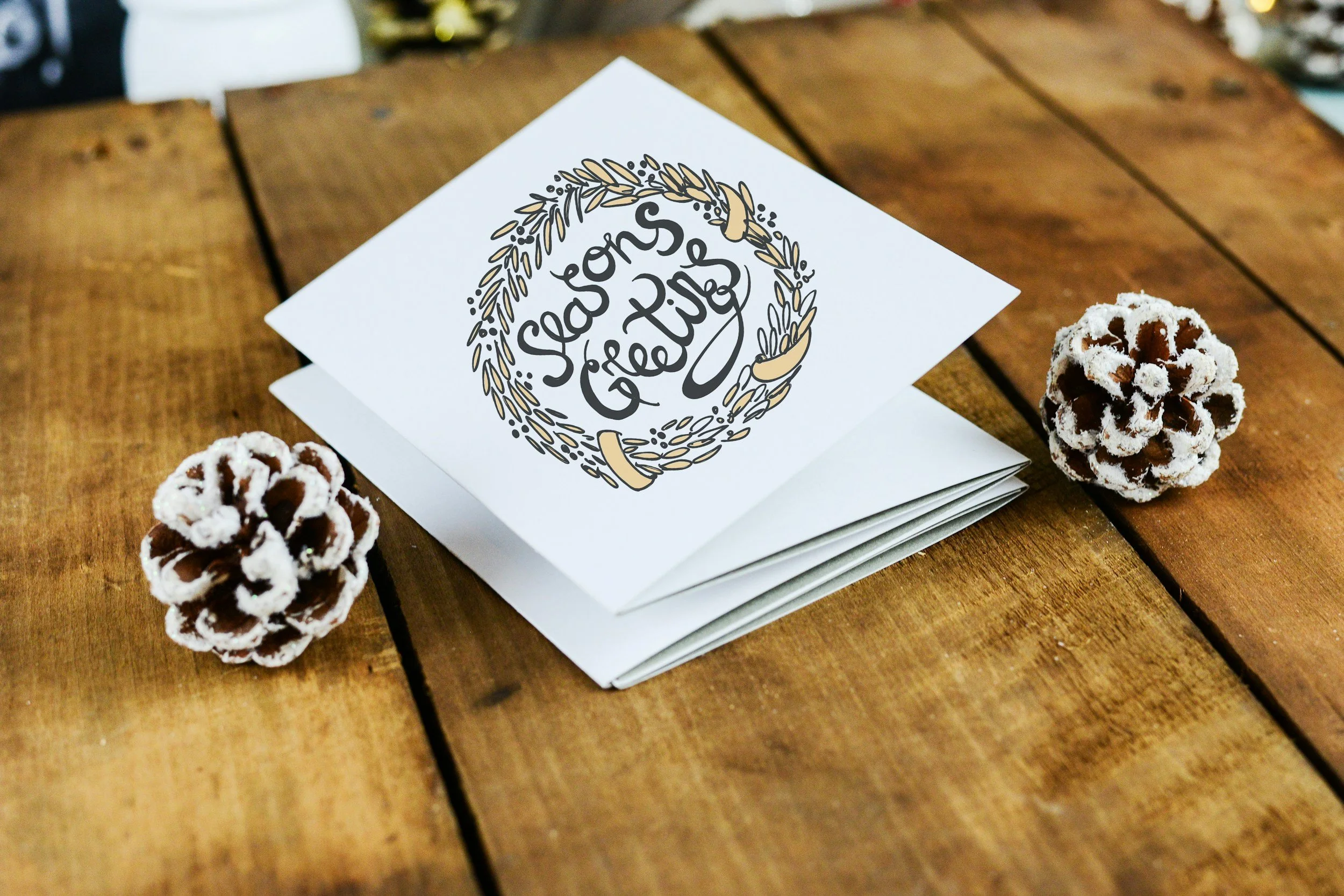
Handmade Cotton Paper for DIY Greeting Cards: Create Eco-Friendly Messages of Love and Celebration
The art of sending handwritten, thoughtfully designed greeting cards has long been cherished as a way to convey messages of love, congratulations, and encouragement to friends and family. In our fast-paced, digital age, the tangible warmth of a handmade greeting card holds even more meaning, serving as a touching reminder of our connections with others. As environmental concerns continue to garner attention, there has never been a better time to explore the world of DIY greeting cards crafted from sustainable handmade cotton paper. At AllThingsCottonPaper, we are dedicated to providing high-quality, unique, and authentic decorative papers, including handmade cotton paper, that empower eco-conscious artists and crafters in their creative projects.
Our tree-free cotton paper is made from recycled rags, clothing, and textiles, offering a sustainable alternative to conventional paper options while retaining an exquisite texture, durability, and versatility that lends itself perfectly to DIY greeting card projects. By choosing handmade cotton paper for your greeting card creations, you express your love and care not only for the card's recipient but also for the environment that sustains us all.
In this blog article, we will delve into the captivating realm of DIY greeting cards using handmade cotton paper. We'll share design tips, techniques, and inspiration for creating one-of-a-kind, eco-friendly cards that touch hearts and make lasting impressions. Join us as we journey through the delightful world of handmade cotton paper greeting cards, where heartfelt sentiments, sustainable materials, and creative artistry intertwine to warm both hearts and minds and nurture our love for our planet.
1. Handmade Cotton Paper Selection and Card Base Creation
Selecting the perfect handmade cotton paper for your DIY greeting card begins with considering the paper's weight, color, and texture:
- Paper Weight: Cotton paper comes in various weights, with heavier cardstock options providing a sturdy base for your greeting card, while lighter-weight paper is suitable for creating intricate embellishments and accents.
- Colors and Patterns: Explore the diverse range of colors and patterns available in handmade cotton paper to find the ideal match for your card's theme. Opt for natural, unbleached cotton paper to emphasize its sustainable origins, or choose colorful and patterned cardstock to add a vibrant touch to your creation.
- Card Base Creation: Cut and fold your chosen cotton paper to create the card base, experimenting with different sizes, shapes, and folding styles to achieve a unique and personalized design.
2. Design Techniques for Cotton Paper Greeting Cards
Innovative design techniques can elevate the visual appeal of your handmade cotton paper greeting card:
- Layering and Collage: Combine various cotton paper textures, colors, and patterns by layering and collaging cutouts onto your card base. Play with light and shadow effects, depth, and negative space to achieve an eye-catching design.
- Die Cutting and Embossing: Enhance your card with intricate cutouts or raised patterns by using die cutting or embossing techniques. Many environmentally friendly die cutting tools are available, allowing you to create stunning additions to your cotton paper card.
- Stamping and Stenciling: Add unique, artistic details to your cotton paper greeting card by using eco-friendly ink and stamps or stencils. Choose stamps or stencils made from sustainable materials, such as wood or rubber, that align with your green card-making vision.
- Hand Lettering and Calligraphy: Personalize your card with hand-lettered or calligraphic sentiments, using eco-conscious writing tools, such as bamboo pens, fountain pens, or refillable markers, to further express your dedication to environmental stewardship.
3. Sustainable Embellishments for Cotton Paper Greeting Cards
Embellish your greeting card with eco-friendly materials that accentuate your handmade cotton paper creation and reinforce its environmentally responsible message:
- Recycled and Upcycled Materials: Include sustainable accents such as recycled or upcycled paper, fabric, or ribbon, to create a joyful, eclectic design that conveys your commitment to the environment.
- Buttons, Beads, and Charms: Explore options for using ethically sourced, reclaimed, or vintage buttons, beads, or charms to enhance your card's artistic charm.
- Pressed Botanical Elements: Incorporate pressed flora, such as leaves and flowers, or dried herbs, as natural and eco-friendly decorations that add a touch of organic elegance to your homemade cotton paper greeting card.
4. Environmentally Friendly Adhesives and Packaging
Complete your DIY greeting card with eco-friendly adhesive and packaging options that uphold your dedication to Earth-conscious values:
- Sustainable Adhesives: Use clear, acid-free adhesives to ensure the longevity of your cotton paper card. Seek plant-based or biodegradable glues that minimize environmental impact without compromising on performance.
- Eco-Friendly Packaging: Present your handmade cotton paper card with recycled or biodegradable packaging options, such as recycled paper envelopes, compostable cellophane sleeves, or reusable fabric pouches.
Conclusion
Crafting DIY greeting cards using handmade cotton paper allows you to create unique, heartfelt expressions of love and celebration that cherish both the recipient and the environment. By incorporating innovative design techniques, eco-friendly materials, and sustainable practices, you give life to one-of-a-kind cards that reflect your thoughtful, environmentally aware approach to creativity.
As you embark on your handmade cotton paper card-making journey, allow the distinctive textures, colors, and qualities of this sustainable paper to fuel your imagination and inspire meaningful connections – connections that nurture both the human heart and the environment that sustains us. Celebrate life's milestones, joys, and unforgettable moments with handmade cotton paper greeting cards from AllThingsCottonPaper, and let your creations serve as a testament to the enduring beauty of sustainable artistry.

Fun and Easy Paper Crafts for Kids Using Tree-Free Paper
Crafting with paper is a fantastic way for kids to explore their creativity, learn new skills, and have fun. Using tree-free paper made from recycled cotton is a great way to make crafting eco-friendly. This special kind of paper is not only good for the planet but also offers a unique texture and durability that make it perfect for various art projects.
In this article, we'll dive into some exciting and easy paper crafts that kids will love. From creating paper mache animals to folding intricate origami shapes, these activities are both entertaining and educational. Whether it's making handmade greeting cards or colorful paper collages, there’s something here to inspire every young artist. Let's get started on these fun projects that are not only creative but also kind to our environment.
Paper Mache Projects with Cotton Paper
Explanation of the Process
Paper mache is a fun and creative activity that kids can easily do with some guidance. The process starts with tearing handmade cotton paper into small pieces. Next, soak the paper pieces in warm water until they become soft. Once the paper is mushy, blend it into a pulp using a blender. This pulp is then mixed with a glue solution made of equal parts water and white glue to form the paper mache paste.
To create a paper mache project, use a form or structure, like a balloon or a cardboard shape, as a base. Dip strips of the cotton paper pulp into the glue mixture and lay them over the form, smoothing them down as you go. Layer multiple strips to make the project sturdy. Let each layer dry before adding another. Once the project is fully covered and dried, it's ready to be painted and decorated.
Examples of Paper Mache Crafts
1. Animals: Kids can create adorable paper mache animals, like birds, cats, or dogs, using balloons or sculpted newspaper as the base. Once dried, paint the animals with bright colors and add details with markers or scraps of cloth.
2. Masks: Paper mache masks are great for dress-up and pretend play. Use a face mold or make one from cardboard, cover it with paper mache, and let it dry. Decorate with paints, feathers, and glitter for a unique look.
3. Bowls: Create functional art by molding paper mache over a bowl wrapped in plastic wrap. When it dries, kids can paint and use the bowl for holding small items or as a decorative piece.
Handmade Greeting Cards
Step-by-Step Guide to Making Greeting Cards
Making handmade greeting cards with kids is a wonderful way to encourage creativity. Start by folding a piece of handmade cotton paper in half to create the card base. Use scissors to trim the edges if needed. Gather various materials like colored pencils, markers, and stamps for decorating the card.
Kids can begin by designing the front of the card, adding drawings, stickers, or stamped images. Encourage them to think about the occasion and how they want the card to look. Once the front is decorated, they can write a message inside the card, either by hand or using pre-cut letters or words.
Decoration Ideas
- Stamps: Use stamps with different shapes and patterns to add interesting elements to the card. Choose eco-friendly ink pads for a sustainable touch.
- Drawings: Encourage kids to draw pictures related to the occasion, such as balloons for a birthday or hearts for Valentine's Day.
- Stickers: Add fun stickers to enhance the design. Look for stickers made from recycled materials to keep the project eco-friendly.
How to Write a Heartfelt Message
Help kids write a heartfelt message by thinking about the recipient and the occasion. Start with a greeting, such as "Dear Grandma" or "Happy Birthday, Sarah!" Follow it with a thoughtful message that expresses their feelings. For example, "I hope you have a wonderful day filled with joy and laughter." End with a closing like, "Love, [child's name]."
Using tree-free cotton paper not only makes the cards special but also teaches kids the importance of using sustainable materials in their art and craft projects.
Origami Fun with Tree-Free Paper
Brief History of Origami
Origami is the art of paper folding, which originated in Japan over a thousand years ago. It started as a ceremonial activity but evolved into a popular craft enjoyed by people of all ages. The word "origami" comes from the Japanese words "oru" (to fold) and "kami" (paper). Origami can be both simple and complex, making it perfect for kids to learn and enjoy.
List of Easy Origami Projects for Kids
1. Cranes: Paper cranes are a classic origami project that symbolizes peace and longevity.
2. Frogs: Create hopping frogs by folding the paper just right. They're fun to make and play with!
3. Hearts: Simple paper hearts are perfect for gifts and decorations, especially on special occasions like Valentine's Day.
Creating Paper Collages
A collage is an artwork made by assembling different pieces of paper, photographs, or other materials onto a surface. It’s a wonderful way to make unique and eye-catching art. Kids love collages because they get to mix and match different colors, textures, and shapes to create something entirely their own.
Step-by-Step Guide to Making a Collage
1. Choose a Theme: Decide on a theme for your collage, like favorite animals, a dream place, or different seasons.
2. Cut Out Pieces: Use scissors to cut out pieces from magazines, newspapers, or old photos that fit your theme.
3. Arrange the Pieces: Arrange the cut-out pieces on the background paper without gluing. Move them around until you’re happy with the layout.
4. Glue Everything: Once you like the arrangement, start gluing down each piece. Make sure to press firmly so everything sticks well.
5. Add Details: After all pieces are glued, add details with markers, colored pencils, or paints to complete your collage.
Conclusion
Crafting with handmade, tree-free paper opens up a world of possibilities for kids to explore their creativity while learning about sustainability. From paper mache projects and handmade greeting cards to origami and collages, these activities not only provide endless fun but also teach important lessons about the environment and resourcefulness.
Ready to get crafting? Shop at AllThingsCottonPaper to explore our range of unique and environmentally friendly cotton paper sheets, perfect for every creative project. Let's make art that cares for the Earth. Happy crafting!

Eco-Friendly Cotton Paper Gift Wrapping Ideas
Gift wrapping is an important part of gift-giving. Wrapping gifts beautifully shows your care and makes the gift even more special. But have you thought about the impact of traditional gift wrapping on the environment? Many standard wrapping materials cause waste and harm the planet. That’s why using eco-friendly options like recycled cotton paper can make a big difference.
Handmade cotton paper, created from recycled textiles, is a sustainable alternative to regular wrapping paper. It’s durable, elegant, and comes in lots of colors and textures. This special paper not only wraps your gifts in style but also shows your commitment to protecting our Earth. By making a simple switch, you can enjoy the art of gift wrapping while being kind to the environment.
In this article, we’ll explore the benefits of eco-friendly gift wrapping. You’ll learn how to use cotton paper to wrap your presents and see creative ways to decorate them with natural materials. Every gift you wrap with care will reflect your love for both the recipient and the world we live in.
Understanding the Benefits of Eco-Friendly Gift Wrapping
Choosing eco-friendly gift wrapping is an important step in reducing our environmental impact. Traditional gift wrap often uses materials that are harmful to the environment, like plastic-coated paper, glitter, and synthetic ribbons. These materials are hard to recycle and often end up in landfills, where they contribute to pollution. By opting for reusable supplies like recycled cotton paper, we can help decrease our carbon footprint and protect natural resources.
Using recycled materials, such as cotton paper, for gift wrapping offers several benefits. Cotton paper is made from recycled textiles, such as old clothing and rags, which means no trees are cut down to produce it. This significantly lowers the carbon emissions associated with paper production. Additionally, cotton paper is biodegradable and easier to recycle. By wrapping gifts in cotton paper, we help reduce waste and support sustainable practices. It’s a small change that can make a big difference for the environment.
Easy Steps to Create Beautiful Cotton Paper Gift Wrap
Wrapping gifts with cotton paper is simple and fun. Start by gathering your materials: cotton paper, scissors, tape, and any decorations you plan to use. Measure the cotton paper to ensure it will cover your gift completely. Lay the gift on the paper and use a ruler to measure out enough paper to wrap around the gift with a little extra on each side. Mark the measurements with a pencil and cut the paper accordingly.
Next, place your gift in the center of the paper. Fold one side of the paper over the gift, then fold the opposite side over and secure it with tape. For neater edges, fold the paper in a straight line before securing it. Fold the paper at the ends of the gift to cover it completely, tucking the edges inside and taping them securely. Smooth out any wrinkles or bubbles in the paper, and your gift is ready to be decorated. Simple and sustainable, wrapping gifts with cotton paper is both eco-friendly and beautiful.
Designing Eco-Friendly Gift Tags
Using eco-friendly gift tags is a small but impactful way to show you care about the environment. Traditional gift tags often end up as waste, but eco-friendly options help reduce this. By using recycled materials like handmade cotton paper, you are making a positive impact on the planet. These tags can be as beautiful and unique as store-bought ones but are much better for the Earth.
List of Materials
To make your eco-friendly gift tags, you’ll need a few items:
- Handmade cotton paper in different colors
- Scissors
- Hole punch
- String or twine
- Markers or pens
Step-by-Step Instructions to Design Your Gift Tags
1. Start by cutting your cotton paper into small tag shapes. You can make them rectangular, circular, or any shape you like.
2. Use a hole punch to make a hole at the top of each tag.
3. Decorate your tags using markers or pens. Write messages or draw small designs.
4. Cut a piece of string or twine and loop it through the hole at the top.
5. Tie the string to attach the tag to the gift.
Creative Add-Ons and Customizations
Make your gift tags even more special by adding creative touches. You could stick small pressed flowers or leaves onto the tags. Or, use small fabric scraps to add texture. Try creating tags that match the theme or color scheme of your gift wrapping for a coordinated look. These little details make your gift tags stand out.
Fun Paper Mache Projects
Paper mache is a fun and messy art project that lets you make all sorts of objects. It’s made by layering paper with a glue-like paste and then letting it dry. Using handmade cotton paper for paper mache adds a special touch because it’s recycled and tree-free. This makes your projects more eco-friendly and interesting.
Items You Can Make with Paper Mache
Paper mache is very versatile. You can make bowls, masks, sculptures, and even pinatas. The possibilities are nearly endless. Think about what you’d like to create and gather the materials needed.
Materials and Tools
For paper mache, you'll need:
- Handmade cotton paper, torn into small pieces
- A bowl for mixing
- Flour and water to make the paste
- A base to shape your project, such as a balloon or cardboard
Easy-to-Follow Instructions
1. Mix equal parts flour and water in a bowl to create your paste.
2. Tear the handmade cotton paper into small pieces.
3. Dip each piece of paper into the paste and then smooth it onto your base. Cover the entire base with layers of paper and paste.
4. Let your paper mache project dry completely. This can take a day or more, depending on the size.
5. Once dry, you can paint and decorate your project as you like.
Decorating Your Finished Projects
After your paper mache project is dry, you can decorate it to make it your own. Use eco-friendly paints and markers. Add other recycled materials like buttons or fabric scraps to give your project extra character. Let your imagination run wild and create something unique and special.
Conclusion
Creating art with handmade cotton paper is not only enjoyable but also great for the environment. We’ve explored how to make beautiful handmade cards, unique collages, and eco-friendly gift tags, and even tried our hand at paper mache projects. Each of these activities allows you to express your creativity while making thoughtful choices that help our planet.
Using handmade cotton paper enriches your projects with a unique texture and appearance, and it’s comforting to know that you’re contributing to a sustainable future. These projects are perfect for kids and adults alike, offering fun ways to spend time and create memorable art pieces.
Ready to start your next creative project? Visit AllThingsCottonPaper for a wide variety of high-quality, eco-friendly handmade cotton paper. Share your creations and ideas with us on social media, and let’s inspire others to make beautiful, eco-friendly art.

Why Cotton Paper is Perfect for Wedding Invitations
Planning a wedding involves countless details, and one of the most important is creating beautiful invitations. Wedding invitations are the first glimpse your guests will have of your special day, setting the tone for the event. Choosing the right paper for your invitations can make a big difference, both in appearance and impact.
Cotton paper is an excellent choice for wedding invitations due to its unique qualities and environmental benefits. Made from recycled cotton materials like rags, clothing, and textiles, cotton paper is tree-free and eco-friendly. This sustainable option looks and feels amazing and supports conscious consumerism.
The luxurious texture, durability, and high-quality printing capabilities of cotton paper make it ideal for creating stunning wedding invitations. Let’s explore these benefits in detail, helping you understand why cotton paper stands out as the perfect material for your wedding stationery. From its beautiful aesthetic qualities to its practical advantages, cotton paper offers everything you need to create unforgettable invitations.
The Unique Qualities of Cotton Paper
1. Exceptional Texture and Feel
One of the standout qualities of cotton paper is its exceptional texture and feel. Unlike regular paper that can feel flat and smooth, cotton paper has a rich, tactile surface. This texture comes from its unique manufacturing process, which uses recycled cotton from rags, clothing, and textiles. The result is a luxurious feel that is perfect for wedding invitations, adding a touch of elegance and sophistication.
When guests receive your invitation, the first thing they’ll notice is the quality of the paper. The tactile experience of cotton paper sets a special tone for your wedding from the moment they open the envelope. The soft yet sturdy texture provides a sense of refinement and care that is hard to achieve with other types of paper.
2. Durability and Longevity
Cotton paper is not only beautiful but also incredibly durable. Its strength comes from the long fibers of cotton, which interlock to create a resilient material. This durability means your wedding invitations will not tear easily and will maintain their pristine appearance over time.
Because cotton paper is made to last, it becomes a keepsake that your guests can treasure. The invitations will stay intact and look amazing for years to come, serving as a lasting memory of your special day. This longevity is a significant advantage, especially for couples who want their wedding stationery to withstand the test of time.
Eco-Friendly Benefits of Cotton Paper
1. Sustainable and Tree-Free
Cotton paper is one of the most sustainable choices for wedding invitations. It is made from recycled cotton materials, such as old clothes and textiles, instead of fresh cotton pulp. This means no trees are cut down to produce the paper, making it a truly eco-friendly option. By choosing cotton paper, you help reduce deforestation and support sustainable practices.
Using recycled cotton reduces waste and gives a new life to materials that would otherwise be discarded. This sustainable production process aligns with the growing awareness and demand for environmentally friendly products. For couples who are conscious about their environmental footprint, cotton paper is a perfect choice.
2. Low Environmental Impact
The production of cotton paper has a lower environmental impact compared to traditional wood-pulp paper. Traditional paper manufacturing involves cutting down trees, processing wood pulp, and using chemicals that can harm the environment. In contrast, cotton paper production relies on recycling existing materials, which minimizes resource consumption and pollution.
Additionally, the chemical processes involved in cotton paper production are less harmful compared to those used in traditional paper making. This reduces water and air pollution, making cotton paper a cleaner, greener choice. For weddings aiming for an eco-friendly approach, cotton paper invitations can be a significant step towards a more sustainable celebration.
Enhancing the Aesthetics of Wedding Invitations
1. Superior Printing Quality
One of the most significant advantages of using cotton paper for wedding invitations is its superior printing quality. The thick, absorbent nature of cotton paper allows for crisp and detailed printing. This means that any text, image, or design you choose will look sharp and clean. High-quality printing enhances the overall appearance of your invitations, ensuring they look professional and elegant.
Cotton paper works exceptionally well with various printing methods, including letterpress, offset, and digital printing. It absorbs ink evenly, preventing smudges and ensuring vibrant colors. Whether you opt for traditional black ink or more colorful designs, cotton paper will ensure your invitations look their best.
2. Customization Options
Cotton paper offers numerous customization options, allowing you to create wedding invitations that are uniquely yours. You can choose from a variety of colors, textures, and finishes to match your wedding theme and personal style. Whether you prefer a matte or glossy finish, cotton paper can be tailored to suit your design preferences.
In addition to visual customization, you can also incorporate tactile elements into your invitations. Consider adding embossed or debossed details for a touch of luxury. You can also experiment with different shapes and sizes, as cotton paper is easy to cut and shape. These customization options allow you to create truly unique wedding invitations that reflect your personality and wedding theme.
Practical Considerations for Using Cotton Paper
1. Ease of Handling and Crafting
Cotton paper is not only beautiful and durable but also easy to handle and craft with. Its sturdy nature makes it simple to cut, fold, and assemble into various wedding invitation designs. Whether you're creating simple invitations or more elaborate ones with multiple layers and embellishments, cotton paper is a versatile material that can handle a range of crafting techniques.
This ease of handling is particularly beneficial for couples who want to add a personal touch by crafting their own invitations. Cotton paper's resilience ensures that it won't easily tear or wrinkle during the crafting process, allowing you to achieve a polished and professional final product.
2. Cost and Value Comparison
While cotton paper might be slightly more expensive than traditional paper options, its benefits outweigh the additional cost. The durability, superior printing quality, and customization options add significant value to your wedding invitations. By investing in cotton paper, you're ensuring that your invitations look and feel luxurious, leaving a lasting impression on your guests.
Moreover, the eco-friendly aspect of cotton paper adds value by aligning with sustainable practices. For many couples, the peace of mind that comes from using an environmentally responsible product is worth the extra expense. When you consider the overall impact and benefits, cotton paper offers excellent value for the investment.
Why Cotton Paper is Ideal for Wedding Stationery
Choosing the right paper for your wedding invitations is crucial to setting the tone for your special day. Cotton paper stands out as an ideal choice, offering exceptional texture, durability, and high-quality printing. Its eco-friendly nature and wide range of customization options make it perfect for creating unique and memorable invitations.
In addition to its aesthetic and environmental benefits, cotton paper is easy to handle and craft with, making it a practical choice for DIY projects. The slight additional cost is outweighed by the value it brings in terms of quality, sustainability, and the lasting impression it creates.
Ready to start creating the best wedding invitations with our 100% cotton paper? Explore the beautiful and sustainable options available at AllThingsCottonPaper. With our range of high-quality cotton papers, you can design invitations that reflect your style and commitment to the environment. Make your wedding invitations truly special with AllThingsCottonPaper!

The Benefits of Using Cotton Paper Over Traditional Paper
Switching from traditional paper to cotton paper can provide numerous benefits for your projects and the environment. Cotton paper, which is made from recycled cotton rags, clothing, and textiles, offers a sustainable and high-quality alternative. Unlike traditional paper that relies on wood pulp, cotton paper is tree-free, making it an eco-friendly choice.
Choosing cotton paper supports sustainable practices by reducing waste and pollution. Beyond environmental benefits, cotton paper also excels in quality and durability. Its strength and unique texture make it perfect for a variety of uses, from art projects to professional stationery. These features make cotton paper stand out from the more commonly used traditional paper.
Let’s explore the many advantages of using cotton paper. From its positive environmental impact to its superior quality and versatility, you will understand why cotton paper is a better choice. Whether you are crafting, writing, or printing, cotton paper offers a valuable and sustainable solution for all your paper needs.
Why Cotton Paper Outperforms Traditional Paper
1. Environmental Impact of Cotton Paper
Sustainable Sourcing
One of the main benefits of cotton paper is its sustainable sourcing. Cotton paper is made from recycled cotton materials such as rags, old clothes, and textiles. This process repurposes materials that would otherwise end up in landfills. By using recycled cotton, we can significantly reduce the need for new raw materials. This conserves resources and decreases the demand for deforestation associated with traditional wood pulp paper.
The production of cotton paper consumes less water and energy compared to traditional paper. This reduction in resource use makes cotton paper an eco-friendly alternative. By choosing cotton paper, we support sustainable practices that help protect our planet's finite resources.
Reduction of Waste and Pollution
Cotton paper production contributes to a reduction in waste and pollution. Traditional paper manufacturing often involves harmful chemicals and processes that can result in pollution. In contrast, cotton paper is typically produced using cleaner methods and fewer chemicals. This minimizes the release of pollutants into the air and water, leading to a cleaner environment.
Additionally, recycling cotton materials helps reduce textile waste. Millions of tons of clothing and textiles are discarded each year, filling up landfills and contributing to environmental degradation. By repurposing these materials into cotton paper, we divert waste from landfills and give old textiles a new life. This reduction in waste is a significant environmental benefit that makes cotton paper a responsible choice.
2. Quality and Durability of Cotton Paper
Strength and Longevity
Cotton paper surpasses traditional paper in terms of strength and longevity. Cotton fibers are longer and more durable than wood fibers, which makes cotton paper stronger and more resistant to tearing.
This durability ensures that documents, artworks, or any projects made with cotton paper will last much longer. Cotton paper doesn’t yellow or become brittle over time, unlike traditional paper. This makes it an excellent choice for archival purposes as well.
For professional use, such as certificates and official documents, the strength of cotton paper ensures that these important papers remain intact and legible for many years. This long-lasting quality makes cotton paper a smart investment for any project that needs to stand the test of time.
Texture and Appearance
The texture and appearance of cotton paper set it apart from traditional paper. Cotton paper has a unique, tactile feel that adds a touch of elegance and sophistication to any project. The surface is often smoother and more uniform, providing a luxurious writing or printing experience. This high-quality texture makes it a preferred choice for special occasions, such as wedding invitations or business cards.
Plus, the appearance of cotton paper is distinct and pleasing. It often has a natural finish with slight variations that give each sheet character and uniqueness. The cotton fibers create a subtle, rich texture that enhances the visual appeal of any printed or handcrafted work. This unique look and feel make cotton paper an attractive option for those who want their projects to stand out.
3. Versatility and Uses of Cotton Paper
Art and Craft Projects
Cotton paper is an excellent choice for a wide range of art and craft projects. Its strength and texture make it ideal for painting, sketching, and various other artistic techniques. Artists love cotton paper because it can hold up to heavy applications of watercolors, acrylics, and inks without warping or tearing. This makes it perfect for both beginners and professional artists looking to create lasting artworks.
Craft enthusiasts can also benefit from using cotton paper. It is great for scrapbooking, making handmade cards, and creating decorative items. The unique texture and appearance of cotton paper add a special touch to any handmade project, making it stand out. Using cotton paper for creative projects can also instill a sense of sustainability, as crafters know they are using an eco-friendly material.
Professional and Personal Stationery
Cotton paper is highly regarded for professional and personal stationery. Its elegant look and feel make it suitable for important documents such as resumes, certificates, and business cards. The smooth surface allows for sharp and clear printing, ensuring that text and images look their best. Using cotton paper for professional purposes can convey a sense of quality and attention to detail.
For personal use, cotton paper is perfect for invitations, greeting cards, and personal letters. The tactile experience of handling cotton paper adds a personal touch that recipients will appreciate. Whether you are sending out wedding invitations or a heartfelt note, cotton paper enhances the overall presentation and makes the occasion more memorable.
4. Cost and Value Considerations
Initial Investment vs. Long-Term Benefits
While cotton paper may have a higher initial cost compared to traditional paper, its long-term benefits make it a worthwhile investment. The durability and longevity of cotton paper mean that documents and artworks will stand the test of time, reducing the need for frequent replacements. This can save money in the long run, especially for important documents and keepsakes.
The quality of cotton paper can reflect positively on professional and personal projects. Investing in high-quality materials can lead to better outcomes and leave a lasting impression. The unique texture and appearance of cotton paper also add value, making it well worth the initial investment.
Comparing Costs with Traditional Paper
When comparing cotton paper with traditional paper, it is essential to consider more than just the upfront cost. Traditional paper may seem cheaper at first glance, but it often requires more frequent replacements due to its lower durability. Over time, the cost of continually replacing traditional paper can add up, making it more expensive in the long run.
Additionally, the environmental costs of traditional paper are significant. Deforestation, water usage, and pollution associated with traditional paper production carry hidden costs to our planet. By choosing cotton paper, we can reduce these environmental impacts and contribute to more sustainable practices. When all factors are considered, cotton paper proves to be a cost-effective and environmentally-friendly alternative.
Investing in Quality: The Case for Cotton Paper
The benefits of using cotton paper over traditional paper are clear. From its positive environmental impact to its superior quality and versatility, cotton paper stands out as the better choice. Its sustainable sourcing helps reduce waste and pollution, while its strength and durability ensure long-lasting documents and artworks. The unique texture and appearance of cotton paper make it ideal for a variety of uses, from art projects to professional stationery.
Considering the cost and value, cotton paper offers a worthwhile investment. Its long-term benefits can overshadow the initial cost, and its environmental advantages make it a responsible choice. By switching to cotton paper, we can enjoy high-quality results while supporting sustainable practices.
Explore the wide range of handmade cotton paper options at AllThingsCottonPaper and start making more eco-friendly choices today. Let’s create beautiful, lasting projects together with cotton paper!

Unique Wedding Invitation Ideas Using Recycled Cotton Paper
Weddings are special occasions that deserve beautiful and memorable invitations. Using recycled cotton paper for wedding invitations is both creative and eco-friendly. This tree-free paper is made from recycled rags, clothing, and textiles, giving your wedding a unique and sustainable touch.
Choosing recycled cotton paper sets the tone for an environmentally friendly wedding. It's important to find the right type, color, and texture to match your wedding's theme. With various creative design elements, such as calligraphy, pressed flowers, and eco-friendly inks, your invitations can be personalized to reflect your special day.
Creating DIY wedding invitations can be a fun and rewarding experience. From layering techniques to adding watercolor effects, there are many ways to make your invitations stand out. Additionally, using sustainable enclosures and packaging ensures that every part of your invitation is kind to the earth. By thinking creatively and sustainably, your wedding invitations can be as beautiful as they are environmentally friendly.
Choosing the Perfect Handmade Cotton Paper
There are several types of handmade cotton paper to consider when creating your wedding invitations. First, you have unbleached natural cotton paper, which retains its original color and texture. This type of paper is known for its earthy and rustic look, perfect for a vintage or eco-friendly wedding theme. Another option is bleached cotton paper, which has a brighter, cleaner appearance, suitable for more modern or elegant wedding styles.
When selecting colors and textures, you can choose from a wide palette of dyed cotton papers. Pastel shades are ideal for spring weddings, while deep, rich colors add a touch of sophistication to fall and winter ceremonies. Textured papers, such as those with a linen or hammered finish, provide a tactile element that can enhance the overall look and feel of your invitations. Experiment with combinations to find the perfect match for your wedding theme.
Creative Design Elements for Invitations
Incorporating calligraphy and hand lettering into your invitations adds a personalized and artistic touch. You can hire a calligrapher or try your hand at it using eco-friendly pens and inks. Calligraphy gives your invitations a timeless quality and blends beautifully with the natural texture of cotton paper.
Adding pressed flowers and botanical accents is another way to make your invitations stand out. Pressed flowers can be placed strategically on the paper, creating a charming and delicate design. You could also use dried leaves or herbs to add natural elements that align with a rustic or garden-themed wedding. Make sure to source these botanicals sustainably, perhaps from your garden or a local florist who practices eco-friendly harvesting.
Using eco-friendly ink and stamps is an essential part of maintaining the green ethos of your wedding. Look for inks made from soy or other natural materials, and choose stamps made from sustainable sources like wood or recycled rubber. These choices not only highlight your commitment to the environment but also enhance the unique look of your handmade cotton paper invitations.
Designing Eco-Friendly Gift Tags
Creating eco-friendly gift tags is a fantastic way to add a personal touch to your presents. Using handmade cotton paper not only makes your tags beautiful but also shows your commitment to sustainability. Gift tags made from recycled materials are a great complement to any gift, and they are fun to make.
Importance of Eco-Friendly Gift Tags
Eco-friendly gift tags are important because they help reduce waste. Traditional gift tags are often made from paper that isn't recycled, contributing to deforestation and environmental harm. By making your gift tags from handmade cotton paper, you recycle textiles and reduce the demand for new paper products. This also makes your gifts stand out with a unique and personal touch.
List of Materials
For making eco-friendly gift tags, gather a few essential materials:
- Handmade cotton paper in various colors and textures
- Scissors
- Hole punch
- String or ribbon
- Markers or pens for writing
- Decorative items like stickers, stamps, or small pressed flowers
- Glue
Simple Steps to Design Your Gift Tags
1. Start by cutting the handmade cotton paper into small tag shapes. Rectangles or circles work well.
2. Punch a hole at the top of each tag so you can add a string or ribbon later.
3. Decorate the front side of each tag with markers, stickers, stamps, or small pressed flowers. Add the recipient's name or a short message.
4. Loop a piece of string or ribbon through the hole, tying a knot to secure it. Your eco-friendly gift tags are now ready to use!
Creative Add-Ons and Customizations
Get creative with your gift tags by adding unique elements. You can use small pieces of fabric, buttons, or even dried herbs to make your tags stand out. If you're feeling artistic, try drawing small images or patterns on the tags. Customizing your gift tags makes them extra special and personalized for each recipient.
Fun Paper Mache Projects
Paper mache is a fun and versatile crafting method that lets you transform simple materials into amazing art pieces. Using handmade cotton paper for paper mache projects adds durability and a lovely texture to your creations.
Introduction to Paper Mache
Paper mache involves creating shapes and objects by layering strips of paper soaked in a glue mixture over a mold or form. Once the paper dries and hardens, you can decorate your creation however you like. It's a great way to recycle paper and create art at the same time.
Items You Can Make with Paper Mache
With paper mache, you can create a wide variety of items:
- Masks for costumes or decorations
- Bowls and containers
- Figurines and sculptures
- Decorative letters or signs
- Seasonal decorations like Easter eggs or Halloween pumpkins
Materials and Tools
To start a paper mache project, you’ll need:
- Handmade cotton paper, torn into strips
- A mold or form to shape your project (like a balloon or bowl)
- Flour and water mixture or white glue diluted with water for the paste
- A brush for applying the paste
- Paints, markers, or other decorations for finishing touches
Easy-to-Follow Instructions
1. Prepare your paste by mixing flour and water until it forms a smooth glue or diluting white glue with water.
2. Tear the handmade cotton paper into strips.
3. Dip each paper strip into the paste, then layer it over your mold or form, smoothing out wrinkles.
4. Continue layering strips, overlapping them until the entire form is covered.
5. Let the paper mache dry completely, which can take a few hours or overnight.
6. Once dry, remove the mold or form and decorate your paper mache creation with paints, markers, or other embellishments.
Decorating Your Finished Projects
Once your paper mache project is dry and sturdy, the fun of decorating begins. Paints and markers can add color and detail. You can also glue on additional elements like cotton paper cutouts, glitter, or sequins. Think about the look you want and get creative with your decorations.
Conclusion
Art projects with handmade cotton paper aren't just fun; they also help preserve our environment. By using recycled materials, you create amazing things and show your commitment to a greener planet. Whether you’re making beautiful cards, unique collages, eco-friendly gift tags, or fun paper mache projects, handmade cotton paper offers endless possibilities.
I love seeing what people can create with such a versatile material. It's simply amazing how a piece of recycled cotton paper can be turned into something beautiful and meaningful. If you’re excited to start your own creative projects, remember that every step you take helps reduce our environmental impact.
Explore our range of high-quality, tree-free decorative papers at AllThingsCottonPaper. Let your imagination soar and make art that matters. Start your next eco-friendly art project today!

The Ultimate Guide to Caring for Your Cotton Paper Artworks
Cotton paper artworks are not only beautiful but also eco-friendly. Because they are made from recycled materials, they contribute to a healthier planet. However, these artworks require special care to keep them looking their best. Proper handling, cleaning, and storage are essential to maintain their beauty and ensure they last a long time.
When handling cotton paper, it’s important to be very gentle. The texture and fibers can be delicate, and improper handling can cause damage. Controlling environmental factors like light, humidity, and temperature can also prevent discoloration and deterioration. Protective measures, such as framing and using archival materials, play a key role in preserving the quality of your artwork.
Taking care of your cotton paper artwork can seem like a lot of work, but it's worth it to keep them in great condition. With the right techniques and precautions, your cotton paper creations can stay vibrant and intact for years to come. In this article, we'll explore practical tips and tricks to help you handle, clean, and protect your cotton paper artwork effectively.
Proper Handling and Storage of Cotton Paper Artworks
Handling cotton paper artworks with care is important to preserve their beauty and structure. Since cotton paper is made from delicate fibers, rough handling can cause tears, smudges, or other damage. Always make sure your hands are clean and dry before touching the paper. It’s a good idea to use gloves to prevent oils from transferring onto the artwork from your skin.
For storing cotton paper artworks, it’s crucial to keep them in a safe place where they won’t be bent or crushed. Store them flat to avoid creases. Use acid-free folders or boxes to prevent yellowing and deterioration. If you need to stack them, place sheets of acid-free tissue paper between each piece to protect the surfaces. Keeping your artworks away from direct sunlight and areas with fluctuating temperatures or high humidity will help maintain their quality.
Cleaning and Maintenance Tips for Cotton Paper
When it comes to cleaning cotton paper, there are some key dos and don’ts to follow. Do use a soft brush to gently remove dust and dirt. Don’t use water or harsh chemicals, as these can damage the paper and the artwork. It’s also best to avoid rubbing the surface too hard, which can cause smudging or tearing.
Here’s a step-by-step guide for gentle cleaning methods:
1. First, lay the artwork flat on a clean, dry surface.
2. Use a soft-bristled brush to lightly sweep away any loose dust or dirt.
3. If there are small smudges, use a clean, dry eraser to gently lift them off. Be careful not to press too hard.
4. If you encounter stubborn spots, it’s better to consult a professional conservator rather than risk damaging the artwork.
By following these simple steps, you can keep your cotton paper artwork looking fresh and vibrant for a long time.
Protecting Your Art from Environmental Factors
Environmental factors can have a big impact on the condition of cotton paper artworks. Light, humidity, and temperature changes can cause fading, warping, or even mold growth. To protect your art from light damage, keep your artwork out of direct sunlight. UV rays can cause colors to fade and the paper to deteriorate. If displaying your art, choose UV-protective glass or acrylic for framing to block harmful rays.
Humidity and temperature fluctuations can cause cotton paper to warp or develop mold. Keep your artworks in a stable environment where the humidity levels and temperature remain consistent. Aim for a humidity level between 40-60% and a temperature between 65-75 degrees Fahrenheit. Use a dehumidifier if needed to control moisture. For extra protection, use archival-quality materials when framing your art, such as UV-filtering glass or acid-free mats and backing.
Long-Term Preservation Techniques
To ensure the longevity of your cotton paper artwork, consider using archival methods and materials. Archival-quality paper, mats, and boxes are designed to protect delicate items from damage over time. Use acid-free materials to avoid yellowing and degradation. When framing your artwork, select acid-free mats and backings to create a barrier between the art and the frame.
Here are some tips for long-term preservation:
1. Store artwork in a cool, dark place away from direct light and extreme temperatures.
2. Use archival storage boxes or portfolios that are acid-free.
3. Keep artwork flat to prevent creasing and bending.
4. Handle artwork with clean hands or gloves to avoid transferring oils and dirt.
Following these methods will help keep your cotton paper artwork in excellent condition for many years.
Conclusion
Cotton paper artworks bring unique beauty and sustainability to your collection. By handling them with care, keeping them clean, and protecting them from environmental factors, you ensure their lasting appeal. The right storage and preservation techniques can make a significant difference in maintaining the quality and vibrancy of your art.
Whether you're a seasoned artist or just starting out, taking the time to care for your cotton paper artwork is essential. These pieces are visually appealing and environmentally friendly, making them a meaningful addition to any collection.
Explore the wide variety of high-quality, unique decorative papers available at AllThingsCottonPaper. Our tree-free, recycled cotton handmade paper is perfect for any art, design, or craft project. Start your eco-friendly art journey today and give your creations the care they deserve.

Cotton Paper vs Traditional Paper: Eco-Friendly Choices
Traditional paper production has far-reaching environmental impacts, from deforestation to increased carbon emissions. Trees are cut down in large numbers to meet the demand for paper products, leading to habitat destruction and a rise in greenhouse gases. This contributes heavily to climate change and loss of biodiversity.
On the other hand, cotton paper offers an eco-friendly alternative that helps lessen these ecological burdens. Made from recycled textiles, such as rags and old clothing, cotton paper doesn’t rely on tree pulp. Its production process uses fewer chemicals and reuses existing materials, which greatly reduces environmental harm. By opting for cotton paper, we take a significant step toward more sustainable living.
The Environmental Impact of Traditional Paper Production
Traditional paper production involves several harmful environmental practices. The process starts with logging, where large areas of forest are cleared to harvest trees. This deforestation leads to the destruction of natural habitats for many species and significantly contributes to biodiversity loss. Once the trees are cut, they are transported to mills, where they undergo a series of energy-intensive steps, including debarking, chipping, pulping, and bleaching. These steps require massive amounts of water and electricity, further stressing natural resources.
Deforestation for paper production also has a direct impact on carbon emissions. Trees play a crucial role in absorbing carbon dioxide from the atmosphere, and cutting them down releases the stored carbon back into the air. According to some estimates, deforestation contributes to about 15% of global carbon emissions. Additionally, the paper manufacturing process itself produces various pollutants. For example, the bleaching process releases harmful chemicals like dioxins and chlorines into water bodies, causing severe water pollution and affecting aquatic life.
How Cotton Paper Is Made: An Eco-Friendly Process
The process of making cotton paper is markedly different and far more sustainable. Cotton paper is made from recycled cotton rags, old clothing, and textiles. The first step involves collecting and sorting these materials to ensure they are clean and free of synthetic fibers. Unlike traditional paper, the production of cotton paper does not involve cutting down trees, which helps preserve forests and reduce carbon emissions.
Once sorted, the cotton materials are shredded into fine fibers and then mixed with water to form a pulp. This pulp is then spread onto screens and pressed to remove excess water. The absence of tree pulp in cotton paper significantly reduces the need for chemicals. Traditional paper production relies heavily on bleaching agents and other chemicals to process wood pulp, but the natural white color of cotton fibers often requires minimal chemical treatment. This reduction in chemical usage results in fewer pollutants being released into the environment, making cotton paper production a cleaner, greener option.
Designing Eco-Friendly Gift Tags
Creating gift tags from cotton paper is a simple yet impactful way to give your presents a personalized and eco-friendly touch. These tags can make your gifts stand out and show that you care about the planet.
Importance of Eco-Friendly Gift Tags
Using eco-friendly gift tags is important because it helps reduce waste and promotes sustainability. Traditional gift tags often end up in the trash, contributing to pollution. Cotton paper, made from recycled materials, provides an eco-friendly alternative that’s both beautiful and sustainable.
List of Materials
- Handmade cotton paper scraps
- Scissors
- Hole punch
- Eco-friendly string or ribbon
- Markers or pens
- Decorative items like stamps, stickers, or pressed flowers
Simple Steps to Design Your Gift Tags
1. Cut your cotton paper into small tag shapes. You can make them square, rectangular, or even cut them into fun shapes like stars or hearts.
2. Punch a hole at the top of each tag using a hole punch.
3. Use markers or pens to write the recipient's name and a short message on the tag.
4. Decorate the tags with stamps, stickers, or pressed flowers to add a personalized touch.
5. Thread a piece of eco-friendly string or ribbon through the hole and tie it onto your gift.
Creative Add-Ons and Customizations
You can get really creative with your gift tags by layering different colors of cotton paper for a textured look. You could also try adding small buttons or fabric pieces to make your tags unique. Experimenting with different designs and materials can make your gift tags truly special and memorable.
Fun Paper Mache Projects
Paper mache is a fun and messy art project that uses a mixture of paper and glue to create sculptures. Using handmade cotton paper for this project can add a new level of texture and quality to your creations.
Introduction to Paper Mache
Paper mache is an art technique that involves layering pieces of paper soaked in glue onto a form to create shapes and sculptures. The glue mixture hardens, and you can then paint and decorate your creation. This method is both fun and versatile, allowing you to make almost anything you can imagine.
Items You Can Make with Paper Mache
With paper mache, you can create a variety of items like masks, bowls, or decorative sculptures. Handmade cotton paper is perfect for adding a rich texture and a sturdy finish to your pieces.
Materials and Tools
- Handmade cotton paper
- All-purpose white glue
- Water
- A mixing bowl
- Brushes
- Balloons, cardboard, or other forms to shape your paper mache
- Paints and decorative items
Easy-to-Follow Instructions
1. Tear the cotton paper into small strips or pieces.
2. Mix equal parts glue and water in a bowl to create the paper mache paste.
3. Dip each strip of cotton paper into the paste, making sure it’s fully coated.
4. Layer the coated paper strips onto your form (like a balloon) to create your desired shape. Continue adding layers until you have the thickness you want.
5. Let your paper mache dry completely. Depending on the thickness, this may take a day or two.
6. Once dry, you can paint and decorate your paper mache item to finish it off.
Decorating Your Finished Projects
After your paper mache project dries, decorating it is the most fun part. Use paints, markers, or even more cotton paper to add colors and designs. You can create patterns, draw images, or even glue on small decorations like beads or glitter. Let your imagination run wild and create a masterpiece!
Conclusion
Handmade cotton paper offers endless opportunities for creative art projects. From making beautiful cards to unique collages, eco-friendly gift tags, and fun paper mache projects, there's no limit to what you can create. Handmade cotton paper is not just eco-friendly; it’s versatile, durable, and adds a special touch to your creations.
By using handmade cotton paper, you embrace an eco-friendly lifestyle and inspire others to do the same. Small changes like these can significantly impact our planet, making it a better place for everyone. Whether you're an experienced artist or a beginner, you can create something amazing while supporting sustainable practices.
So why wait? Start exploring the world of handmade cotton handmade paper with your next art project. Visit AllThingsCottonPaper today to discover the beautiful and unique offerings that can help you make environmentally conscious and stunning creations. Let's make a difference, one piece of art at a time!

How to Create Stunning Art Prints with Recycled Cotton Paper
Creating art prints can be a rewarding and eco-friendly experience when you use recycled cotton paper. This type of paper is made from cotton rags, clothing, and textiles, which means it’s free of tree pulp and better for the environment. Not only does recycled cotton paper have a wonderful texture, but it also offers superior durability and longevity compared to traditional paper.
I love using handmade cotton paper for my art prints because it brings out the beauty in my artwork. It provides a unique, authentic feel that enhances the final product. Plus, knowing that I’m making a sustainable choice adds an extra layer of satisfaction to the creative process.
In this article, we will discuss how to choose the right cotton paper, prepare your artwork for printing, use effective printing techniques, and add the perfect finishing touches to make your art prints truly stand out. Whether you're a seasoned artist or just starting out, these tips will help you create stunning art prints that you can be proud of.
Choosing the Right Cotton Paper for Your Art Prints
When it comes to selecting the right cotton paper for your art prints, there are several options available. You can choose from different textures, weights, and colors of cotton paper. Some papers are smooth, while others have a more textured finish. Textured cotton paper can add a unique feel to your prints, making them look and feel different from standard paper. Smooth cotton paper, on the other hand, is great for fine details and small text in your art.
Factors to Consider When Selecting Paper
There are a few important factors to consider when choosing cotton paper for your prints. First, think about the weight of the paper. Heavier paper is often more durable and can give your prints a high-quality feel. Next, consider the texture. Some styles of art may look better on textured paper, while others may shine on a smoother surface. Finally, think about the color of the paper. Traditional white paper is always a safe choice, but colored or natural-toned cotton paper can add a special touch to your artwork.
Benefits of Using Recycled Cotton Paper
Using recycled cotton paper for your art prints is a great way to be eco-friendly. Recycled cotton paper is made from old clothes and textiles, so it's a tree-free paper option. This helps save trees and protects the environment. Also, recycled cotton paper is strong and durable, which means your art prints will last a long time. It has a unique texture that can make your prints stand out from others, giving them a special and authentic look.
Preparing Your Artwork for Printing
How to Digitize Your Original Art
Before you can print your artwork on cotton paper, you need to digitize it. This means turning your physical art into a digital file. You can do this by scanning your artwork using a high-resolution scanner. If you don’t have a scanner, you can also take a high-quality photo with a good camera or smartphone. Make sure the lighting is even and there are no shadows on your artwork. This will help capture all the details and colors accurately.
Tips for Editing and Enhancing Your Artwork
Once you have your artwork in a digital format, it's time to edit and enhance it. Use photo editing software to adjust the colors and contrast. Make sure the colors in your digital file match the colors in your original artwork as closely as possible. You can also use the software to clean up any imperfections or dust spots. This is also a good time to resize your artwork if needed, so it fits perfectly on the cotton paper you have chosen.
Importance of Test Prints
Before printing your entire artwork, it’s important to do test prints. Test prints help you see how the colors and details look on the cotton paper you selected. Sometimes colors can look different on paper than on your screen. By doing a test print, you can make any necessary adjustments to the colors and contrast before printing the final version. This ensures that your final prints look exactly the way you want them to. Test prints also help you check if there are any technical issues with your printer or paper.
Crafting Decorative Accessories
Handmade Paper Lampshades: A How-To
Creating custom lampshades with cotton paper can brighten up your home in an eco-friendly way. Begin by gathering a few simple materials:
A plain lampshade to decorate
Handmade cotton paper
Scissors
Glue or a glue gun
Start by cutting the cotton paper into shapes or strips that will fit around your lampshade. You can go for a uniform look with symmetrical strips, or get creative with various shapes and sizes. Apply glue to the back of the paper pieces and attach them to the lampshade, pressing them down firmly. Let the glue dry completely. You now have a unique, eco-friendly lampshade that will add warmth and character to any room.
DIY Cotton Paper Banners and Garlands
Making banners and garlands with cotton paper is a simple way to add a festive touch to your home. Here’s what you’ll need:
Handmade cotton paper
String or twine
Scissors
Hole punch
Start by cutting shapes from the cotton paper, like triangles, circles, or any shape you like. Punch a hole at the top of each shape and thread the string through these holes to create your banner or garland. Feel free to mix and match different colors and patterns of cotton paper. Hang your finished banner or garland in a cozy corner, over a fireplace, or in a child’s room to add a playful, eco-friendly touch to any decor.
Personalizing Your Space with Cotton Paper
Custom Cotton Paper Picture Frames
Personalizing your picture frames with cotton paper makes displaying your photos even more special. Gather these supplies:
Basic wooden picture frames
Handmade cotton paper
Scissors and glue
First, cut the cotton paper into pieces that will fit on the frame. You can cover the entire frame with one sheet of paper or piece it together like a mosaic. Use glue to attach the cotton paper to the frame, pressing down firmly and smoothing out any wrinkles. Let the glue dry completely before placing your picture into the frame. This adds a personal and eco-friendly touch to your photos, making your memories even more precious.
Unique Coasters and Placemats
Create functional and stylish coasters and placemats with cotton paper. You’ll need:
Handmade cotton paper
Cardboard for backing
Scissors and glue
Protective sealant (optional)
Cut the cotton paper and cardboard into desired shapes and sizes for coasters or placemats. Glue the cotton paper onto the cardboard for added strength. For extra durability, you can apply a protective sealant over the top of your coasters and placemats. This will help protect them from spills and wear. These handmade pieces will not only look unique but also remind you of the importance of sustainable living.
Ideas for Seasonal and Holiday Decorations
Using cotton paper for seasonal and holiday decorations can make festivities feel more personal and eco-friendly. Create ornaments, wreaths, or garlands tailored to each holiday season. For instance, cut out snowflakes or stars for Christmas, or colorful shapes for spring and summer celebrations. Adding small touches of cotton paper decorations around your home can bring joy and a sense of occasion.
Conclusion
Crafting with cotton paper is a creative and sustainable way to decorate your home. From making custom lampshades and picture frames to crafting unique coasters and seasonal decorations, there are countless ways to incorporate this eco-friendly material into your decor. Not only does it add beauty and character to your space, but it also helps protect our planet by using recycled materials.
These projects are fun and simple to do, making them a great activity for the whole family. By choosing tree-free cotton paper, you’re making a positive impact on the environment and creating a home filled with unique, handcrafted decor. Whether you're looking to personalize your space or make festive decorations, cotton paper is an excellent choice for all your crafting needs.
Ready to start your next eco-friendly decor project? Visit AllThingsCottonPaper for a variety of high-quality, recycled cotton papers. Share your creations with us on social media and inspire others to make beautiful, sustainable home decor!

How to Make Personalized Holiday Decorations with Cotton Paper
The holiday season is a perfect time to embrace creativity and celebrate sustainably. Using handmade cotton paper for your holiday decorations is an excellent way to combine beauty with eco-friendliness. This type of paper is made from recycled textiles like rags and old clothes, making it a tree-free and environmentally friendly choice.
Handmade cotton paper has a unique texture and strength that makes it ideal for crafting. Its durability ensures that your decorations will last through the season and can even be reused year after year. Plus, its soft and elegant appearance provides a charming, rustic feel to your holiday decor.
In this guide, we'll explore how to create stunning holiday decorations with handmade cotton paper. From custom ornaments to garlands and gift tags, you'll find plenty of inspiration. Not only will these crafts make your holidays brighter, but they'll also help reduce your environmental footprint. Let's dive into the joy of making beautiful, sustainable holiday decorations!
Benefits of Using Handmade Cotton Paper for Holiday Decorations
1. Environmental Impact of Tree-Free Paper
Using handmade cotton paper for your holiday decorations has a significant positive impact on the environment. Traditional paper production typically involves cutting down trees, which contributes to deforestation and habitat loss. In contrast, handmade cotton paper is made from recycled textiles such as rags and old clothing. This process eliminates the need for trees, making the paper truly tree-free. This means that by choosing cotton paper, you help preserve forests and maintain the habitats for many species.
Moreover, producing paper from recycled cotton uses fewer chemicals and less water compared to traditional paper manufacturing. This results in less pollution and a lower overall environmental footprint. Supporting sustainable practices by using tree-free paper not only makes your holiday decorations beautiful but also contributes to a healthier planet.
2. Unique Characteristics of Cotton Paper
Handmade cotton paper stands out due to its unique qualities. It's soft yet strong, providing excellent durability for holiday crafts. Unlike conventional paper, cotton paper has a textured surface that gives a distinctive and luxurious look to your decorations. This texture makes it perfect for creating intricate designs and adding a touch of elegance to your holiday decor.
Another great aspect of cotton paper is its absorbency. It takes colors well, whether you are painting, stamping, or using markers. This means your decorations will have vibrant, long-lasting hues that won’t fade quickly. Cotton paper is also easy to cut and fold, making it ideal for a wide range of crafts. These unique characteristics ensure that your homemade holiday decorations will be special and stand out during the festive season.
Essential Materials for Making Personalized Decorations
1. List of Supplies Needed
To start making personalized holiday decorations with handmade cotton paper, you will need a few essential supplies:
- Handmade cotton paper in various colors and patterns
- Scissors for cutting shapes and designs
- Glue or double-sided tape for assembling your decorations
- Paints, markers, or colored pencils for adding details
- String or ribbon for hanging ornaments and garlands
- Hole punch for creating holes in gift tags and ornaments
- Stamps and eco-friendly ink pads for decorative touches
- Decorative items like beads, glitter, and small embellishments
Having these supplies on hand will ensure you have everything needed to craft beautiful and unique holiday decorations.
Tips for Choosing the Best Tools and Materials
When selecting tools and materials for your projects, consider choosing high-quality items that will last. For example, sharp scissors will make cutting easier and result in cleaner edges. Glue and tape should have strong adhesiveness to keep your decorations intact throughout the holiday season.
Choosing eco-friendly paints and markers is also important, as they are safer for both you and the environment. Look for water-based paints and non-toxic markers that offer vibrant colors without harmful chemicals. When picking out string or ribbon, opt for natural fibers like cotton or jute, which can be composted afterward.
Finally, select handmade cotton paper in a variety of textures and shades to add depth and interest to your decorations. Choosing the right tools and materials will make the crafting process smoother and ensure your holiday decorations are both beautiful and environmentally friendly.
Step-by-Step Guide to Creating Custom Holiday Ornaments
1. Instructions for Making Several Types of Ornaments
Creating custom holiday ornaments with handmade cotton paper is both fun and easy. Follow these simple steps to make a variety of beautiful ornaments:
A. Paper Snowflakes:
- Fold a square piece of cotton paper into a triangle.
- Fold the triangle again to make a smaller triangle.
- Use scissors to cut shapes along the edges of the triangle.
- Unfold to reveal your intricate paper snowflake.
B. Paper Stars:
- Cut several strips of cotton paper.
- Weave the strips together to form a star shape.
- Secure the ends with glue and let it dry.
- Punch a hole at the top and add a string for hanging.
C. Paper Baubles:
- Cut multiple circles from cotton paper.
- Fold each circle in half.
- Glue the halves together to form a 3D bauble.
- Add a string to hang it on the tree.
Creative Techniques for Personalization
Personalizing your ornaments can make them even more special. Here are some creative techniques to try:
Stamping: Use decorative stamps and eco-friendly ink pads to add patterns or holiday-themed designs to your ornaments.
Painting: Paint your ornaments with water-based paints. Create colorful and unique patterns to match your holiday theme.
Embossing: Use an embossing tool to create raised designs on the cotton paper. This adds texture and a touch of elegance.
Adding Glitter: Sprinkle eco-friendly glitter on the ornaments while the paint or glue is still wet. This will add sparkle and shine.
These techniques allow you to make each ornament truly unique and perfect for your holiday celebrations.
Holiday Decoration Ideas Beyond Ornaments
How to Make Garlands, Gift Tags, and Holiday Cards
Handmade cotton paper is versatile and can be used to make more than just ornaments. Here are a few ideas for other holiday decorations:
A. Garlands:
- Cut shapes like stars, hearts, or snowflakes from the cotton paper.
- Attach the shapes to a long piece of string or ribbon using glue or by threading them through holes.
- Hang the garland around your home or on your Christmas tree for a festive look.
B. Gift Tags:
- Cut small rectangles or other shapes from the cotton paper.
- Decorate the tags with paint, stamps, or handwritten messages.
- Punch a hole at the top and tie a piece of string or ribbon through it.
- Attach the tags to your gifts for a personalized touch.
C. Holiday Cards:
- Fold a piece of cotton paper in half to create a card.
- Decorate the front with drawings, stamps, or cut-out shapes.
- Write a heartfelt message inside the card.
- These handmade cards will be cherished by friends and family.
Suggestions for Themed Decor and Color Schemes
Creating themed decor and using coordinated color schemes can make your holiday decorations more cohesive and beautiful. Here are some suggestions:
Winter Wonderland: Use white and silver cotton paper for a snowy, icy feel. Add blue accents for a pop of color.
Rustic Christmas: Opt for natural colors like brown, green, and beige. Use twine and dried flowers to enhance the rustic look.
Classic Red and Green: Stick to the traditional holiday colors of red and green. Add gold or silver for a bit of sparkle.
Modern Minimalist: Use neutral colors like white, black, and gray. Keep the designs simple and elegant.
These ideas will help you create stunning holiday decorations that fit your personal style and holiday theme.
Conclusion
Using handmade cotton paper for your holiday decorations is a wonderful way to celebrate the season sustainably. From ornaments to garlands and gift tags, there are countless ways to get creative and eco-friendly. The unique characteristics of cotton paper make it perfect for crafting, ensuring your decorations will be as beautiful as they are environmentally friendly.
By choosing handmade cotton paper, you’re taking a step towards reducing your environmental footprint and promoting sustainability. It’s an easy choice that makes a big difference. Enjoy the joy of making and decorating with paper that’s both special and kind to the Earth.
Ready to start crafting? Visit All Things Cotton Paper to find high-quality, eco-friendly decorative papers and supplies for all your holiday decoration needs. Share your creations with us on social media and inspire others to celebrate sustainably!

Handmade Cotton Paper: The Ideal Choice for Paper Quilling Art Projects
Paper quilling, the intricate and delicate art of rolling, shaping and gluing small paper strips to create beautiful designs, has long captivated artists and craft enthusiasts alike. With an ever-growing emphasis on sustainability and eco-consciousness, artists are seeking materials that not only elevate their creations but also align with their environmental values. Handmade cotton paper offers a sustainable, unique, and exceptional alternative to traditional quilling paper, transforming your art projects into eco-friendly masterpieces. At AllThingsCottonPaper, we are proud to supply high-quality, authentic decorative papers, like handmade cotton paper, for art, design, and craft projects, including the mesmerizing realm of paper quilling.
Made from recycled, refined cotton extracted from rags, textiles, and clothing, handmade cotton paper is truly tree-free, championing an environmentally friendly approach to paper production. Cotton paper's distinct texture, durability, and versatility make it an ideal medium for paper quilling art, providing an exquisite foundation for various techniques and styles. Incorporating handmade cotton paper into your quilling projects harmonizes your creative pursuits with your passion for sustainability, fostering a balance between artistic expression and eco-conscious living.
In this blog article, we will delve into the fascinating world of paper quilling with handmade cotton paper, revealing the numerous benefits, techniques, and tips for crafting captivating, eco-friendly quilling art. Whether you're a seasoned quilling artist or new to this intricate art form, our comprehensive guide will inspire you to explore the boundless possibilities of cotton paper quilling and create intricate, sustainable works of art that resonate with your artistic vision and environmental commitment. Join us as we unveil the splendor and elegance of paper quilling with handmade cotton paper, weaving a tapestry of creativity, sustainability, and enchantment in our artistic endeavors.
1. Preparing Handmade Cotton Paper for Paper Quilling
To ensure success in your paper quilling projects, properly preparing your handmade cotton paper is essential. Keep the following considerations in mind as you begin your cotton paper quilling journey:
- Cotton Paper Selection: Choose handmade cotton paper based on color, weight, texture, and pattern to suit your project's needs. While lighter-weight paper may be easier to roll and manipulate, heavier paper offers increased durability and can add depth to your design.
- Cutting Paper Strips: For precise and uniform paper strips, use a cutting mat, metal ruler, and a sharp craft knife or rotary cutter. Experiment with varying widths of strips to create diverse effects and dimensions in your quilling pieces.
- Softening the Paper: Since handmade cotton paper might be thicker and more textured than traditional quilling paper, it's helpful to soften the paper strips before rolling. Gently run the strips between your fingers or use a bone folder to break down the fibers slightly, making the paper more pliable.
2. Quilling Techniques with Handmade Cotton Paper
Despite the unique characteristics of handmade cotton paper, many traditional quilling techniques can still be successfully employed. Explore the following techniques to create impressive, eco-friendly quilling art:
- Basic Shapes: Master the foundational quilling shapes by rolling your cotton paper strips around a quilling tool, toothpick, or similar cylindrical object. Create loose coils, tight coils, teardrops, marquise shapes, and more, experimenting with different strip widths for varied results.
- Comb Quilling: Utilize a quilling comb or hair comb to create stunning, intricate patterns with your cotton paper strips. Weave the paper strips through the comb's teeth in various patterns and directions, generating dimensional, eye-catching designs in your quilling art.
- Quilled Flowers and Leaves: Craft delicate, sustainable floral designs with handmade cotton paper. Shape your paper strips into petals, leaves, and other botanical elements, arranging them into beautiful, nature-inspired compositions.
3. Tips for Successful Cotton Paper Quilling
To maximize the potential of handmade cotton paper in your quilling projects, consider these helpful tips for achieving beautiful, eco-friendly results:
- Adhesive Selection: Choose a clear, acid-free adhesive for your quilling projects to promote longevity and minimize yellowing over time. Apply adhesive sparingly, as cotton paper absorbs glue differently than traditional quilling paper.
- Tool Adaptation: Some quilling tools, such as slotted quilling tools, might need modification to accommodate the thickness of handmade cotton paper. Consider widening the tool's slot with a needle file or using a toothpick or similar makeshift tool to roll your cotton paper strips.
- Work Surface: Employ a non-stick, easy-to-clean work surface, such as a silicone baking mat or wax paper. This will protect your work area and prevent your quilling pieces from adhering to the surface as you apply glue.
4. Creative Cotton Paper Quilling Project Ideas
With a wealth of techniques at your fingertips, the possibilities for cotton paper quilling projects are limitless. Here are a few ideas to spark your creativity:
- Greeting Cards: Design handmade, eco-friendly greeting cards to mark special occasions and make an impression. Embellish your cards with cotton paper quilled motifs, such as flowers, hearts, or monograms.
- Framed Artwork: Showcase your sustainable quilling art by creating framed wall hangings or statement pieces for your home. Experiment with abstract designs, landscapes, or personalized themes that reflect your eco-conscious values.
- Gift Toppers and Tags: Put a sustainable twist on gift wrapping with handmade cotton paper quilled gift toppers or tags. These charming additions will elevate your gift presentation and delight recipients with your artistic touch.
Conclusion
Embracing handmade cotton paper for your paper quilling projects harmonizes your love for intricate, delicate artistry with your dedication to sustainability and eco-conscious living. By mastering various quilling techniques, experimenting with creative ideas, and employing eco-friendly materials in your artistic process, you create exquisite, sustainable quilling art that speaks to your heart and resonates with your environmental values. Embark on the inspiring journey of cotton paper quilling and immerse yourself in the enchanting fusion of artistry, sustainability, and endless creative potential with All Things Cotton Paper.

Handmade Cotton Paper Art Journaling: Techniques and Tips for Expressive, Eco-Friendly Creativity
Art journaling is a powerful, introspective practice that allows you to express your thoughts, emotions, and experiences through a combination of writing, visual art, and creative exploration. Incorporating handmade cotton paper into your art journaling endeavors not only enhances the tactile and sensory aspects of your practice but also aligns with your commitment to eco-friendly creativity.
At AllThingsCottonPaper, we take pride in providing unique and authentic decorative papers, such as handmade cotton paper, to elevate your art, design, and craft projects, including the transformative world of art journaling.
Crafted from recycled, refined cotton sourced from rags, textiles, and clothing, handmade cotton paper is tree-free, promoting sustainability and reducing the environmental impact often associated with traditional paper production.
The natural texture, rich quality, and versatility of handmade cotton paper make it an exceptional medium for exploring various artistic techniques and styles in your art journaling journey. By choosing sustainable materials like cotton paper for your art journals, you cultivate an environment of mindfulness, intention, and connection to the earth as you express your inner world.
In this blog article, we will delve into the captivating realm of art journaling with handmade cotton paper, unearthing a myriad of techniques, tips, and ideas for creating expressive, eco-friendly art journals that inspire growth, healing, and self-discovery.
Whether you are a seasoned journaler or just beginning your creative pursuit, our comprehensive guide will provide the tools, inspiration, and knowledge to embark on a fulfilling, sustainable art journaling adventure using handmade cotton paper. Let's explore the boundless potential of cotton paper art journaling and immerse ourselves in the beauty, sustainability, and soulful expression of this mindful creative practice.
Preparing Your Cotton Paper Art Journal
Before delving into the creative process of cotton paper art journaling, start by assembling the perfect journal to house your expressive endeavors. Here are some suggestions for preparing your handmade cotton paper art journal:
Binding Options: Choose a binding method that suits your creative preferences and style. Some popular options for cotton paper journals include coptic stitching, Japanese stab binding, spiral binding, or simply creating a loose-leaf journal within a protective cover.
Cotton Paper Selection: Consider various factors, such as weight, texture, color, and pattern, when selecting your handmade cotton paper for journaling. Mixing and matching different cotton paper types can create a dynamic, interactive journaling experience.
Journal Size: Decide on a journal size that is both manageable and inspiring for your artistic pursuits. Smaller, portable journals are ideal for on-the-go journaling, while larger journals offer ample space for expressive creativity.
Techniques for Art Journaling on Handmade Cotton Paper
Handmade cotton paper serves as an ideal canvas for a diverse range of artistic techniques. Harness the paper's unique attributes and experiment with the following approaches in your art journal:
Background Techniques: Establish a captivating foundation for your journal page using techniques such as watercolor washes, ink splatters, or acrylic paint layers. The absorbent nature of cotton paper is well-suited for these media, resulting in rich backgrounds with vibrant colors and textures.
Stamping and Stenciling: Utilize rubber or clear stamps, homemade foam stamps, or stencils to create patterns, images, or textures on your cotton paper pages. Pigment or archival ink pads work well with cotton paper, imparting crisp, bold impressions.
Collage and Mixed Media: Explore the world of collage and mixed media by incorporating various materials into your cotton paper art journal. Torn paper scraps, fabric or lace remnants, and found objects can add layers of depth and visual interest to your page.
Writing and Drawing: Handmade cotton paper is a beautiful medium for handwriting, hand lettering, or drawing. Experiment with various writing instruments, such as fountain pens, brush pens, or fine-liners, and explore the interplay between your chosen tools and the paper's texture.
Embracing Sustainability in Your Art Journaling Practice
While creating an eco-friendly art journal using handmade cotton paper is a significant step toward sustainability, you can further your commitment to environmental stewardship by implementing additional sustainable practices and materials:
Eco-Friendly Art Supplies: Select non-toxic, eco-conscious art supplies, such as soy-based inks, watercolors free of harmful chemicals, and biodegradable glues and adhesives, to minimize the environmental impact of your creative process.
Resourceful Material Use: Embrace resourcefulness by repurposing and upcycling materials in your art journaling. This not only supports sustainability but also encourages unique, personalized creative expression in your journal.
Mindful Creative Process: Cultivate a mindful approach to your art journaling practice by savoring each creative moment, focusing on present awareness, and exploring themes related to nature, interconnectedness, and the environment.
Engaging with the Art Journaling Community
Connecting with fellow art journalers can enrich your experience, inspire your creativity, and foster a sense of belonging within the art journaling community. Consider the following avenues for connecting with like-minded individuals who share your passion for handmade cotton paper art journaling:
Social Media: Platforms like Instagram, Pinterest, and Facebook offer a wealth of opportunities to engage with fellow art journalers, share your creations, participate in challenges, and discover new techniques and ideas.
Online Classes and Workshops: Participate in art journaling courses or workshops that emphasize the use of handmade cotton paper and eco-friendly materials. This will not only deepen your knowledge and skills but also connect you with others who share your values.
Local Art Groups: Seek out local art or journaling groups to share your journey with handmade cotton paper art journaling in person. Meeting with fellow journalers can provide valuable support, encouragement, and inspiration.
Conclusion:
Embarking on a handmade cotton paper art journaling journey is a deeply enriching, soul-nurturing experience that combines the beauty of artistic expression with a commitment to sustainability. By exploring diverse techniques, materials, and approaches, you create a unique, ever-evolving narrative of self-discovery, mindfulness, and connection to the earth.
Embrace the world of cotton paper art journaling wholeheartedly, and immerse yourself in the transformative process of creative expression, environmental stewardship, and personal growth. Shop cotton rag paper now at AllThingsCottonPaper!

Handmade Cotton Paper Scrapbooking: Immortalize Memories with a Sustainable Touch
Scrapbooking provides a beautiful, tangible way to preserve cherished memories, encapsulating the essence of life's unforgettable moments within the pages of a lovingly crafted album. As we continue to embrace sustainability in all aspects of our lives, handmade cotton paper scrapbooking offers an exceptional opportunity to celebrate and honor the special moments that define us while nurturing our commitment to environmental stewardship. At All Things Cotton Paper, we pride ourselves on supplying high-quality, unique, and authentic decorative papers, like handmade cotton paper, that promote both artistic creativity and sustainable responsibility.
Made from recycled, refined cotton sourced from rags, clothing, and textiles, handmade cotton paper is truly a tree-free option, redefining the traditional concept of paper production. The distinctive texture, durability, and versatility of cotton paper make it an ideal choice for your eco-friendly scrapbooking projects, cultivating a meaningful narrative that values the past, the present, and the future of our planet.
In this blog article, we will guide you through the captivating world of handmade cotton paper scrapbooking, sharing innovative techniques, sustainable materials, and creative ideas to create a unique, eco-friendly album that honors your cherished memories while embracing the environment. Embrace the extraordinary fusion of heartfelt storytelling and sustainable artistry that is handmade cotton paper scrapbooking, and let your one-of-a-kind album serve as a testament to your love for both the memories you hold dear and the world that cradles them.
Choosing Handmade Cotton Paper for Scrapbooking
Selecting the right handmade cotton paper for your eco-friendly scrapbook project is essential to achieve the desired creative results:
Paper Weight and Texture: Choose cotton paper with the appropriate weight and texture for your scrapbook pages and embellishments. Heavier-weight paper provides a sturdy foundation for your layouts, while lighter-weight paper offers flexibility for creating intricate accents and designs.
Colors and Patterns: Handmade cotton paper comes in a variety of colors and patterns that can complement your scrapbook theme. Consider purchasing paper in a range of coordinating hues or opt for natural, unbleached cotton paper to showcase the material's inherent beauty and sustainability.
Design Techniques for Cotton Paper Scrapbooking
Experiment with various design techniques to enhance the visual appeal and personalized touch of your handmade cotton paper scrapbook:
Mixed Media Elements: Integrate mixed media elements, such as fabric scraps, pressed flowers, or small mementos, into your cotton paper layouts to create a rich, dynamic collage that weaves together your memories and the sustainable nature of the paper.
Stamps and Stencils: Utilize eco-friendly ink and stamps or stencils to add unique, artistic details to your cotton paper scrapbook pages. Consider custom-made or upcycled stamps to reinforce your album's sustainability and bespoke essence.
Hand Lettering and Calligraphy: Add a personal touch to your layouts with hand-lettered or calligraphic captions and journaling, using materials like dip pens, brush pens, or even bamboo pens that align with your eco-conscious values.
Sustainable Scrapbooking Materials and Embellishments
Enhance your handmade cotton paper scrapbook with eco-friendly materials and embellishments that celebrate sustainability and the environment:
Recycled, Upcycled, and Found Materials: Incorporate sustainable elements, such as recycled envelopes, upcycled fabric or ribbon, and found natural items like leaves or twigs, to create unique accents and embellishments that uphold your commitment to the environment.
Sustainable Adhesives: Select clear, acid-free adhesives to ensure the longevity of your cotton paper scrapbook. Look for eco-friendly glue options, such as plant-based or biodegradable glues, to minimize environmental impact.
Eco-Conscious Photo Corners: Use photo corners made from sustainable materials to securely mount your photographs to cotton paper pages. This allows you to preserve your photos without adhering them directly to the page, making adjustments and repositioning easier in the future.
Creative Ideas for Handmade Cotton Paper Scrapbook Themes
A well-curated theme can accentuate the beauty of your cotton paper scrapbook and add extra depth to your cherished memories. Consider the following theme ideas to inspire your eco-friendly album:
Nature and the Outdoors: Embrace the sustainable essence of handmade cotton paper by crafting an album dedicated to nature and outdoor adventures. Stage your layouts with preserved botanical elements, such as leaves, twigs, or pressed flowers, to create a rich, immersive narrative.
Vintage and Antique: Complement the timeless charm of handmade cotton paper with a vintage or antique-themed album, highlighting heirlooms, old photographs, and historical mementos that resonate with the paper's authenticity.
Travel and Exploration: Document your travel experiences with a cotton paper scrapbook, incorporating elements like tickets, postcards, and maps alongside your journaling and photographs. This theme allows you to nurture an appreciation for both the memories you've gathered and the natural resources that enrich our planet.
Conclusion
Handmade cotton paper scrapbooking offers a unique and fulfilling way to immortalize your cherished memories with a sustainable, eco-friendly touch. Through thoughtful design techniques, responsibly sourced materials, and creative theme ideas, you can craft a visually stunning, personalized album that not only celebrates your life's special moments, but also reflects your dedication to the environment and your commitment to sustainable living.
Embrace the enchanting world of handmade cotton paper scrapbooking and create a meaningful narrative that honors the memories you treasure, while nurturing your love for our planet and its invaluable resources. Contact AllThingsCottonPaper today!

Creative Art Projects You Can Do with Handmade Cotton Paper
Creating art is a wonderful way to express yourself and have fun. When you use handmade cotton paper, you can also help the planet. Handmade cotton paper is special because it’s made from recycled rags, clothing, and textiles. This makes it eco-friendly and tree-free. It's perfect for making beautiful and unique art projects.
Handmade cotton paper feels nice and looks beautiful. Plus, it’s strong and lasts a long time. There are lots of cool things you can make, like cards, collages, gift tags, and even paper mache crafts. It’s a great way to spend time and make amazing things.
In this article, we will explore four creative projects that you can do with handmade cotton paper. You will learn how to make beautiful handmade cards, create unique collages, design eco-friendly gift tags, and have fun with paper mache. Let’s get started on these awesome projects and discover how handmade cotton paper can make your creations truly special!
Making Beautiful Handmade Cards
Creating handmade cards is a fun and thoughtful way to send special messages to your friends and family. Using handmade cotton paper makes your cards even more special because it’s eco-friendly and unique. This type of paper is perfect for making cards because it's strong and has a lovely texture.
Materials Needed
To make beautiful handmade cards, you need a few simple materials. Gather handmade cotton papers in different colors and patterns. You'll also need scissors, glue, markers, and some decorative items like stickers, stamps, or ribbons. Don't forget to have blank envelopes to fit your cards.
Step-by-Step Instructions
1. Start by cutting the cotton paper into the size you want for your cards. Fold each piece in half to create a card shape.
2. Use another piece of cotton paper to cut out shapes or designs you want to place on the front of your card. Glue these pieces onto the folded cards.
3. Decorate the front of the card using markers, stickers, stamps, or ribbons. Write your message on the inside of the card with a marker.
4. Let the glue and markers dry completely before placing your card in an envelope.
Tips for Decorating Your Cards
Get creative with your decorations! Try layering different textures and colors of cotton paper to create interesting designs. Use rubber stamps and some eco-friendly ink to add patterns or images. You can also draw or paint directly on the card for a more personal touch. Adding small touches like ribbons or pressed flowers can make your cards even more beautiful and unique.
Creating Unique Collages
A collage is a wonderful way to create art by putting together different pieces of materials like paper, photos, and fabric. It’s like making a picture with lots of different elements. Using handmade cotton paper for collages adds a special texture and depth to your artwork.
What is a Collage?
A collage is an art form where different pieces of materials are combined on a surface to create a new picture. It can include anything from paper and photos to fabric and natural elements. The fun part is that there are no rules; you can arrange and glue the pieces in any way you like to create your own design.
Materials You'll Need
To make a collage, you'll need various pieces of handmade cotton paper. You might also want some old magazines or photos to cut out images. Have scissors, glue, and a blank piece of paper or cardboard as a base for your collage. Decorative items like buttons, small fabric pieces, or pressed flowers can add extra detail.
How to Piece Together a Collage
1. Start by selecting your base paper or cardboard. This is where you will glue all your other pieces.
2. Cut out different shapes, images, and textures from your cotton paper and any other materials you've chosen.
3. Arrange the pieces on your base before you start gluing them down. Move them around until you like how they look.
4. Use your glue to stick each piece onto the base. Press down to make sure they stick well.
Ideas for Theming Your Collage
Think of a theme for your collage to make it more exciting. You could create a nature-themed collage using green cotton paper and pressed leaves. Or, you could make a collage of your favorite animals using pictures from magazines and cotton paper shapes. Theming helps bring your collage together and makes it more visually interesting. Spend some time thinking about the story you want your collage to tell, and then use your materials to create that story.
Designing Eco-Friendly Gift Tags
Eco-friendly gift tags are a fantastic way to add a personal touch to your presents while being kind to the environment. These tags can be made from handmade cotton paper, which is both beautiful and sustainable. Using eco-friendly materials shows that you care about the planet, even in the small details of gift-giving.
List of Materials:
Handmade cotton paper
Scissors
Hole punch
String or ribbon
Eco-friendly markers or pens
Recycled embellishments (like old buttons or fabric scraps)
Simple Steps to Design Your Gift Tags:
1. Cut the cotton paper into your desired tag shapes using scissors. Rectangles and circles work well.
2. Punch a hole near the top edge of the tag where you will thread your string or ribbon.
3. Decorate the tags using eco-friendly markers or pens. You can write names, draw small designs, or even add simple messages.
4. Thread a piece of string or ribbon through the hole and tie it to your presents.
Creative Add-ons and Customizations:
Add recycled embellishments like buttons or fabric scraps for a unique look.
Use pressed flowers or leaves to give your gift tags a natural touch.
Experiment with different shapes and sizes to match the theme of your gift.
Fun Paper Mache Projects
Paper mache is a fun and creative way to make sculptures and other projects using simple materials. When you use handmade cotton paper, your creations become even more special and eco-friendly. Paper mache can be used to make masks, bowls, and even decorative figurines.
Introduction to Paper Mache:
Paper mache involves layering paper soaked in a glue mixture over a form or mold. Once the layers dry, they harden into a strong, shapeable material. The process is easy and fun, making it ideal for both children and adults.
Items You Can Make with Paper Mache:
Masks
Bowls
Decorative figurines
Pinatas
Materials and Tools:
Handmade cotton paper
Flour and water (or white glue)
A mixing bowl
A form or mold (like a balloon or bowl)
Paint and brushes for decorating
Easy-to-Follow Instructions:
1. Tear the cotton paper into small strips.
2. Mix the flour and water in a bowl to create a paste (you can also use diluted white glue).
3. Dip the paper strips into the paste, making sure they are fully coated.
4. Layer the strips over your form or mold. Repeat until you have several layers.
5. Let the project dry completely, which may take up to 24 hours.
6. Once dry, remove the form or mold from the inside.
Decorating Your Finished Projects:
Paint your paper mache creation with eco-friendly paint.
Add embellishments like recycled beads or fabric scraps for extra flair.
Display your finished project proudly!
Conclusion
Creating art with handmade cotton paper allows you to make beautiful, unique projects while caring for the environment. Whether you’re making handmade cards, unique collages, eco-friendly gift tags, or fun paper mache projects, these activities provide an eco-conscious way to express your creativity. Handmade cotton paper’s unique texture and durability make it ideal for a variety of artistic endeavors, enabling you to create lasting memories through your art.
As you explore these projects, remember that every small effort towards sustainability counts. By using recycled materials and eco-friendly methods, you contribute to a healthier planet while enjoying the joy of creating art. So, gather your materials and start crafting today!
If you’re ready to start your next eco-friendly art project, check out the high-quality handmade cotton paper available at AllThingsCottonPaper. Elevate your creations with our unique tree-free paper and make a positive impact on the environment. Explore our collection and get inspired!

Creating Handmade Greeting Cards with Cotton Paper: Ideas, Techniques, and Tips
Handmade greeting cards are a cherished way to express sentiments and celebrate memorable moments in our lives. Creating personalized, eco-friendly cards adds a thoughtful touch that reflects both your creativity and commitment to the environment. Handmade cotton paper, with its rich texture, unique characteristics, and sustainable origins, is the perfect medium for crafting beautiful, one-of-a-kind greeting cards. At AllThingsCottonPaper, we are passionate about supplying high-quality, authentic decorative papers for your art, design, and craft projects, including your journey into sustainable handmade card-making.
Crafted from recycled, refined cotton sourced from rags, textiles, and clothing, handmade cotton paper presents a tree-free, environmentally friendly option for creative card-making. The natural texture, durability, and charm of cotton paper make it a versatile choice for various types of cards, from elegant, minimalist designs to elaborate, mixed-media creations. By integrating sustainable materials like cotton paper into your card-making hobby, you foster present-moment mindfulness and deepen your connection to the earth.
In this blog article, we will delve into the captivating world of handmade cotton paper greeting cards, focusing on innovative design ideas, techniques, and tips for making exquisite, sustainable cards for any occasion. Whether you are crafting a heartfelt birthday message or celebrating a milestone event, our comprehensive guide will inspire you to design and create eco-friendly greeting cards that resonate with both the sender and the recipient. Let's embark on an enchanting journey into handmade cotton paper card-making and discover the beauty, sustainability, and delight of this timeless form of creative expression.
Choosing Handmade Cotton Paper for Your Greeting Cards
Selecting the perfect handmade cotton paper for your card-making project involves considering various factors, such as color, weight, and texture. Here are a few suggestions for choosing the ideal cotton paper for your greeting cards:
- Colors and Patterns: Handmade cotton paper is available in a wide range of colors, patterns, and designs, allowing you to select a base that complements your card-making theme or occasion. Consider experimenting with neutral and pastel hues for subtle elegance, or embrace bold, vibrant colors for festive cards.
- Paper Weight: The weight of cotton paper affects the sturdiness and handling characteristics of your greeting cards. For card bases, opt for heavier cotton paper; whereas, lighter-weight cotton paper may be suitable for layering, embellishments, or folding techniques.
- Texture: One of the characteristic features of handmade cotton paper is its unique texture. When planning your card design, consider how the paper's texture will interact with your chosen materials and artistic techniques to yield the desired effect.
Design Ideas and Techniques for Cotton Paper Greeting Cards
With your chosen cotton paper in hand, let your creativity flow as you explore diverse design ideas and techniques for your eco-friendly greeting cards:
- Collage and Layering: Handmade cotton paper is ideal for collage and layering techniques, allowing you to create depth and intrigue in your designs. Experiment with torn or cut edges and layer various cotton paper colors, patterns, or textures to build your card's visual interest.
- Stamping and Embossing: Enhance the tactile appeal of your cotton paper greeting cards with stamping and embossing techniques. Use rubber stamps, clear stamps, or even DIY stamps made from everyday objects to create unique patterns or images on your card, and consider heat embossing to add a touch of luxury to your design.
- Inked and Painted Backgrounds: Utilize watercolor paints, acrylic inks, or other water-based media to create customized backgrounds for your cotton paper cards. The absorbent nature of cotton paper makes it an excellent canvas for washes, splatters, or brushstrokes that lend a unique artistic touch to your greeting cards.
Eco-Friendly Embellishments for Cotton Paper Cards
Elevate your cotton paper greeting cards with sustainable, eco-conscious embellishments that accentuate the paper's natural beauty while minimizing environmental impact:
- Upcycled and Recycled Elements: Source materials from your surroundings, such as unused fabric scraps, pieces of lace, or discarded book pages, to create inventive, upcycled embellishments for your cards.
- Organic and Biodegradable Materials: Incorporate natural, biodegradable elements like dried flowers, twigs, or leaves into your card designs for an organic, eco-friendly aesthetic.
- Hand Lettering and Calligraphy: Enhance your cotton paper greeting cards with personalized, hand-lettered sentiments and quotes. Experiment with various calligraphy styles, ink colors, and writing instruments to create memorable, heartfelt messages.
Tips for Assembling and Mailing Cotton Paper Cards
As you assemble and prepare your handmade cotton paper greeting cards for mailing, keep these tips in mind to ensure that your creations reach their destination in pristine condition:
- Envelope Selection: To maintain consistency and eco-friendliness, choose recycled paper envelopes that complement your handmade cotton paper cards. Consider adding coordinating envelope liners or seals made from matching cotton paper for a cohesive presentation.
- Adhesives and Tapes: Secure your card layers and embellishments with non-toxic, acid-free adhesives, or double-sided tapes specifically designed for card-making. These products will help prolong your cards' lifespan and ensure a clean, professional finish.
- Postage Considerations: Cotton paper greeting cards, particularly those with a heavier weight or bulky embellishments, may require additional postage. Check with your local postal service for specific guidelines on mailing irregular or oversized cards to avoid any delivery complications.
Conclusion
Creating handmade cotton paper greeting cards is a heartfelt, eco-conscious way to celebrate life's special moments and share your creative talents with loved ones. By exploring innovative design ideas, sustainable techniques, and eco-friendly embellishments, you can craft exquisite, one-of-a-kind cards for any occasion that reflect your commitment to both artistic expression and environmental stewardship. Embrace the captivating world of cotton paper card-making through AllThingsCottonPaper, and discover the joy, inspiration, and profound connection that arises from merging artistry and sustainability in your creative practice.